Why Immediate Treatment From an Emergency Dentist Is Important
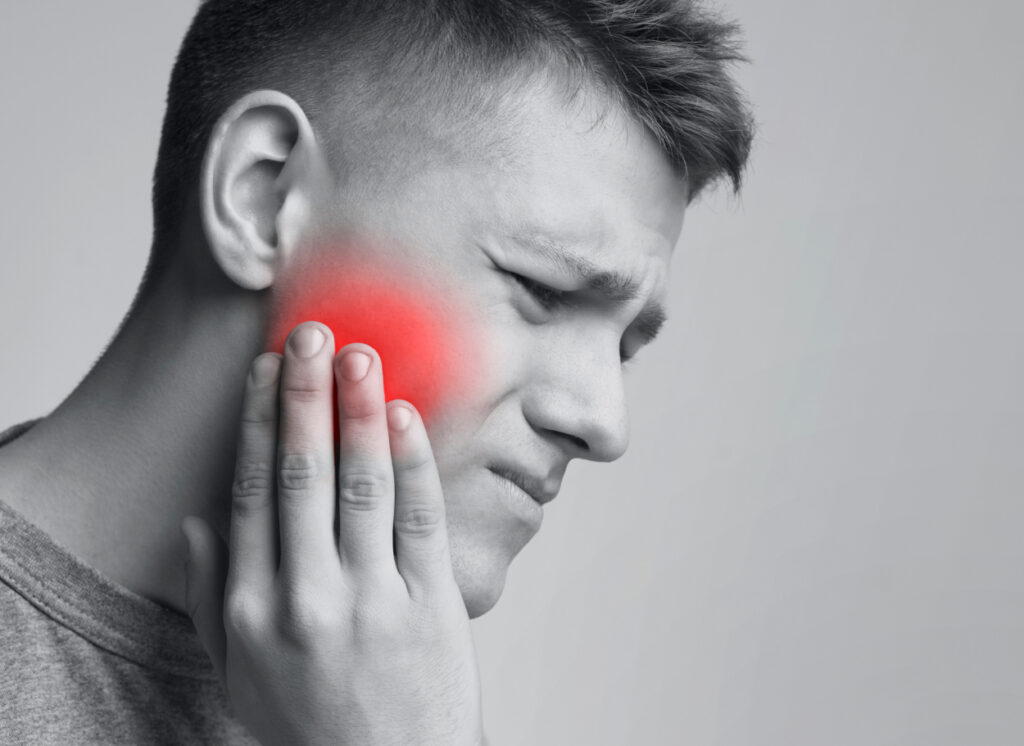
Dental emergencies have a way of disrupting everything at once. A cracked front tooth before work, a swelling that wakes you at 2 a.m., a knocked-out tooth after a weekend game, these situations are not just inconvenient. They can become medically serious faster than many people realize.
One of the most common mistakes patients make is assuming that dental pain can wait a few days if they can still function. In practice, that delay often turns a manageable problem into a more complicated and expensive one. A small fracture becomes a deep crack into the nerve. Mild gum swelling becomes a spreading infection. A loose tooth that might have been stabilized early is lost because treatment came too late.
Immediate care matters because the mouth is not isolated from the rest of the body. Teeth, gums, bone, nerves, and blood supply work together in a tightly connected system. When something goes wrong, especially after trauma or infection, timing can influence whether a tooth is saved, how severe the pain becomes, and whether the problem stays local or starts affecting overall health.
For patients looking for an Emergency Dentist, the goal is not simply pain relief, though that is important. The larger goal is to stop ongoing damage, protect surrounding tissues, and reduce the risk of lasting complications.
A dental emergency is often more urgent than it looks
People usually recognize dramatic injuries as emergencies. A tooth that has been knocked out is clearly serious. Heavy bleeding after an accident is hard to ignore. What catches people off guard are the quieter emergencies, the ones that start with pressure, tenderness, or intermittent pain and then escalate over hours or a day.
A tooth infection is a good example. It may begin as a dull ache or sensitivity when chewing. Some patients try to manage it with over-the-counter pain medication, saltwater rinses, or cold compresses. Those steps can offer temporary comfort, but they do not remove the source of infection. If bacteria have reached the inner part of the tooth or moved into the surrounding tissues, the process continues beneath the surface. Swelling can build. Fever may develop. The face may become tender or visibly enlarged.
That progression is why prompt evaluation matters. An experienced emergency dentist is trained to distinguish between discomfort that can be safely monitored and symptoms that signal a threat to the tooth, jaw, or deeper tissues. In many cases, quick treatment means simpler treatment.
Pain is only part of the story
Patients often judge urgency by pain level alone. That is understandable, but it is not always reliable. Some severe dental injuries hurt immediately and intensely. Others do not.
A tooth can fracture deeply with surprisingly little pain at first. A loose crown may seem minor until decay or bacterial exposure underneath causes rapid irritation. A damaged filling can leave dentin exposed, leading to sharp sensitivity and further breakdown. Even a tooth that has lost blood supply after trauma may not hurt right away, yet it still requires timely evaluation.
On the other side, some painful conditions are less structurally dangerous but still need fast care because they interfere with eating, sleeping, and normal function. Persistent pain changes how people chew, how they rest, and how they cope during the day. I have seen patients go from a manageable toothache on Friday to total exhaustion by Monday because they barely slept all weekend.
The role of an emergency dental visit is to identify what is actually happening, not just to react to symptoms. That distinction matters because two people can report “terrible tooth pain” and need very different treatments.
Time can determine whether a tooth is saved
This is especially true after trauma. If a permanent tooth is knocked out completely, the chances of saving it improve dramatically when it is reimplanted quickly. The ideal window is often measured in minutes, not days. The cells on the root surface begin to deteriorate once the tooth is dry for too long. That affects whether the tooth can successfully reattach.
A patient who gets to an emergency dentist promptly may have a very different outcome from someone who waits until the next day. The same principle applies to displaced teeth, cracked teeth, and teeth that become loose after impact. The earlier the dentist can examine mobility, nerve response, root condition, and supporting bone, the better the chance of preserving the tooth and planning the right follow-up care.
In a city with active schedules, traffic, sports injuries, and a high volume of urgent care needs, access to an Emergency Dentist Los Angeles CA patients can reach quickly can make a practical difference. When the problem is traumatic injury, convenience is not a luxury. It can directly affect the prognosis.
Infection can move fast
The most important reason not to delay emergency dental treatment is infection. A localized infection in the tooth or gum can spread into surrounding tissues. Once swelling begins, pressure increases, pain usually intensifies, and basic functions such as swallowing or opening the mouth can become more difficult.
Most dental infections remain treatable when addressed early. The problem is that people often wait for obvious swelling, severe pain, or fever before seeking help. By that point, the treatment plan may be more involved. A tooth that might have been treated with root canal therapy and a restoration may need extraction if the damage is too extensive. An infection that might have stayed limited may require drainage, medication, and closer monitoring.
There is also a broader health concern. Oral bacteria can enter deeper spaces of the face and jaw. In rare but real cases, a dental infection becomes a medical emergency, especially if swelling affects breathing, swallowing, or spreads rapidly. No responsible dentist treats these warning signs casually.
What patients often misunderstand about “waiting it out”
People delay treatment for understandable reasons. They are hoping the pain will settle. They are busy. They are worried about cost. They are embarrassed that they ignored the issue for too long. Some assume they need to see their regular dentist only, rather than an emergency provider. Others believe urgent dental care is only for dramatic accidents.
The trouble is that the mouth does not reward delay very often. Dental tissues do not regenerate the way a minor skin scrape does. Enamel does not Emergency Dentist Los Angeles CA heal itself after a crack. Deep decay does not reverse once it has advanced into the tooth. Infected pulp tissue does not calm down permanently on its own. There may be periods when symptoms ease, but that does not mean the underlying problem has resolved.
I have heard patients say, “It actually hurt more three days ago, so I thought it was getting better.” What sometimes happened is that the nerve was dying. Less pain was not a sign of recovery. It was a sign that the condition had progressed.
Signs that call for urgent dental attention
Some symptoms should push a patient to seek immediate care rather than wait for a routine appointment.
- A knocked-out, cracked, or significantly loosened permanent tooth
- Facial swelling, gum swelling, or pain with fever or a bad taste in the mouth
- Bleeding that does not stop after dental trauma
- Severe tooth pain that prevents sleep, eating, or normal concentration
- A broken crown, filling, or tooth with exposed sharp edges or visible inner structure
These signs do not all carry the same level of risk, but each deserves prompt assessment. Swelling and trauma sit high on the urgency scale because the condition can change quickly.
Early treatment usually means less invasive treatment
This is one of the most practical benefits of seeing an emergency dentist right away. When the problem is caught early, more conservative care is often possible.
Take a cracked tooth. If the crack is limited and treated promptly, a bonded restoration or crown may protect the remaining structure. Wait too long, and the crack can deepen under biting pressure, eventually extending into the root. At that stage, the tooth may no longer be restorable.
The same pattern appears with decay-related emergencies. If a lost filling exposes a vulnerable area and the patient is seen soon, the tooth may only need a replacement filling or crown. If the patient delays and bacteria invade the pulp, root canal treatment may be necessary. If structural loss continues beyond that, extraction enters the conversation.
From a financial standpoint, early care often costs less over the full life of the problem. From a functional standpoint, it preserves more natural tooth structure, and that matters. Natural teeth, when they can be saved properly, are usually the best long-term option.
Emergency dentists do more than stop pain
Some patients picture emergency dentistry as temporary care only, a quick patch and a referral elsewhere. In reality, emergency visits often involve significant diagnostic and therapeutic decisions.
An emergency dentist may take radiographs, test nerve vitality, assess bite changes after trauma, stabilize a loose tooth, drain an abscess, prescribe medication when appropriate, perform an extraction, begin root canal treatment, or place a temporary or definitive restoration depending on the case. Good emergency care is not guesswork. It is structured triage combined with practical intervention.
Just as important, emergency care helps prevent bad decisions made under stress. When people are in pain, they may chew on the wrong side for days, take too much pain medication, apply aspirin directly to the gum, or try to “glue” a broken restoration back themselves. These improvised fixes can create new damage. Professional evaluation cuts through that uncertainty.
The emotional side of a dental emergency is real
Acute dental problems are not only physical. They can create embarrassment, anxiety, and a surprising sense of vulnerability. A broken front tooth affects speech and appearance immediately. Facial swelling is hard to hide. Bleeding after trauma can be frightening even if the injury is ultimately manageable. Parents dealing with a child’s dental accident often feel panic, guilt, and urgency all at once.
A calm, timely emergency visit matters for that reason too. Patients need clear information. They need to know whether the tooth can be saved, what to expect over the next few hours, and how to control pain without making the situation worse. They also need honest judgment. Sometimes the answer is reassuring. Sometimes it is not. Either way, certainty is better than guessing.
In a busy metropolitan area, many people search online for an Emergency Dentist Los Angeles CA provider because they need help outside normal schedules, after work, on weekends, or when travel to their regular office is not realistic. Access reduces hesitation, and reduced hesitation often improves outcomes.
What to do before you reach the office
The period between the injury or onset of symptoms and the dental visit matters. A few simple actions can protect the area and improve the chances of a better result.
- If a permanent tooth is knocked out, hold it by the crown, not the root, and keep it moist in milk or saliva if it cannot be placed back in the socket safely
- Use a cold compress on the outside of the face for swelling or trauma
- Rinse gently with warm saltwater if there is irritation or minor debris, but avoid vigorous rinsing after a fresh injury
- Take over-the-counter pain relief as directed on the label unless a medical condition prevents it
- Avoid chewing on the affected side and do not place aspirin directly on the gum
These steps are supportive, not definitive. The purpose is to limit further injury until professional care begins.
Children, older adults, and medically complex patients need special consideration
Urgency can look different depending on the patient. With children, it matters whether the tooth is primary or permanent. A knocked-out baby tooth is handled differently from a knocked-out permanent tooth. Parents sometimes try to reinsert a baby tooth, which is usually not recommended because of the risk to the developing permanent tooth underneath. A dentist can sort out that distinction quickly.
Older adults may face additional issues such as brittle restorations, root exposure, dry mouth from medications, or underlying bone loss. A broken tooth in an older patient may reflect a deeper structural problem rather than a simple isolated fracture.
Patients with diabetes, immune suppression, heart conditions, bleeding disorders, or recent cancer treatment need especially careful attention when infection or uncontrolled bleeding is present. In these cases, “just a tooth problem” may have wider implications. Fast, coordinated care matters more, not less.
Not every urgent dental problem needs the same treatment on the same day
This is where clinical judgment comes in. Immediate treatment does not always mean finishing every part of definitive care in one visit. Sometimes the first priority is to control pain, reduce infection, stabilize the tooth, or stop bleeding. Final restoration Emergency Dentist Los Angeles CA may happen later once the condition is under control.
For example, a dentist may place a temporary dressing over an exposed tooth, prescribe medication when indicated, and bring the patient back for root canal therapy after swelling settles. A severely broken tooth may need extraction first, with implant planning deferred until healing begins. A luxated tooth might be splinted immediately, then monitored over weeks for pulpal changes.
Patients do better when they understand this distinction. Emergency treatment is important not because it solves every problem instantly, but because it protects the situation from getting worse while creating the best path forward.
Delay can affect appearance as much as health
Front tooth injuries are a clear example. A small chip can often be repaired beautifully when edges are clean and the tooth remains healthy. Delay may allow dehydration, contamination, bite-related worsening, or pulp complications that make cosmetic treatment more difficult.
The same goes for infections that create swelling in visible areas. What begins as a subtle gum issue can alter facial symmetry by the next day. For professionals who interact with clients, patients, students, or the public, that matters. Appearance is not vanity in this context. It is part of function, confidence, and daily life.
An emergency dentist understands both priorities, controlling the urgent issue while preserving as much esthetic potential as possible.
A fast response also protects your long-term dental plan
Many patients today have crowns, implants, bridges, veneers, orthodontic appliances, or complex restorative work. An emergency involving one part of the mouth can compromise previous treatment if it is not addressed quickly.
A fractured tooth under a bridge may affect neighboring support teeth. A loose crown on a heavily restored molar may expose vulnerable underlying structure. Trauma to a tooth with a prior root canal may need careful imaging and follow-up. Orthodontic wires or broken brackets can injure soft tissue and affect movement if left unmanaged.
Immediate care is not only about the tooth that hurts today. It is about protecting the investment, function, and planning already built into the mouth.
The best outcomes usually come from a combination of speed and judgment
There is a simple reason immediate treatment from an emergency dentist is so important. Dental problems tend to move in one direction when left alone, toward more pain, more damage, more complexity. Quick care interrupts that path.
Still, speed alone is not enough. The right dentist evaluates what is reversible, what is restorable, and what needs to be done first. They know when a cracked tooth can be protected, when swelling signals real danger, when trauma requires urgent stabilization, and when the patient needs medical escalation rather than routine dental follow-up.
That is why emergency dentistry matters. It preserves teeth that can still be saved. It reduces the chance that infection spreads. It shortens pain, protects function, and lowers the odds that a manageable issue becomes a major one. For anyone facing sudden dental pain, swelling, bleeding, or trauma, getting prompt care from an Emergency Dentist is not overreacting. It is often the most practical and medically sound decision available.
Simple Dental Vermont
Address: 8914 S Vermont Ave, Los Angeles, CA 90044
Phone number: +13239493000
FAQ About Emergency Dentist Los Angeles CA
What can the ER do for a tooth?
The emergency room can provide temporary symptom relief for a bad tooth, such as prescribing pain medicine or antibiotics, but it cannot fix the actual dental problem.
What is the 3-3-3 rule for tooth infection?
The 3-3-3 rule for a toothache or infection typically means taking three 200 mg ibuprofen tablets (600 mg total) three times a day for no more than three days to control pain and swelling while waiting to see a dentist.
What do you do if you have a dental emergency but no dentist?
If you have a dental emergency and no regular dentist, you should search for an urgent care dental clinic, call local walk-in dental offices, or go to a hospital emergency room if you have severe bleeding, swelling, or trouble breathing.