What to Bring to an Emergency Dentist Appointment in Los Angeles CA
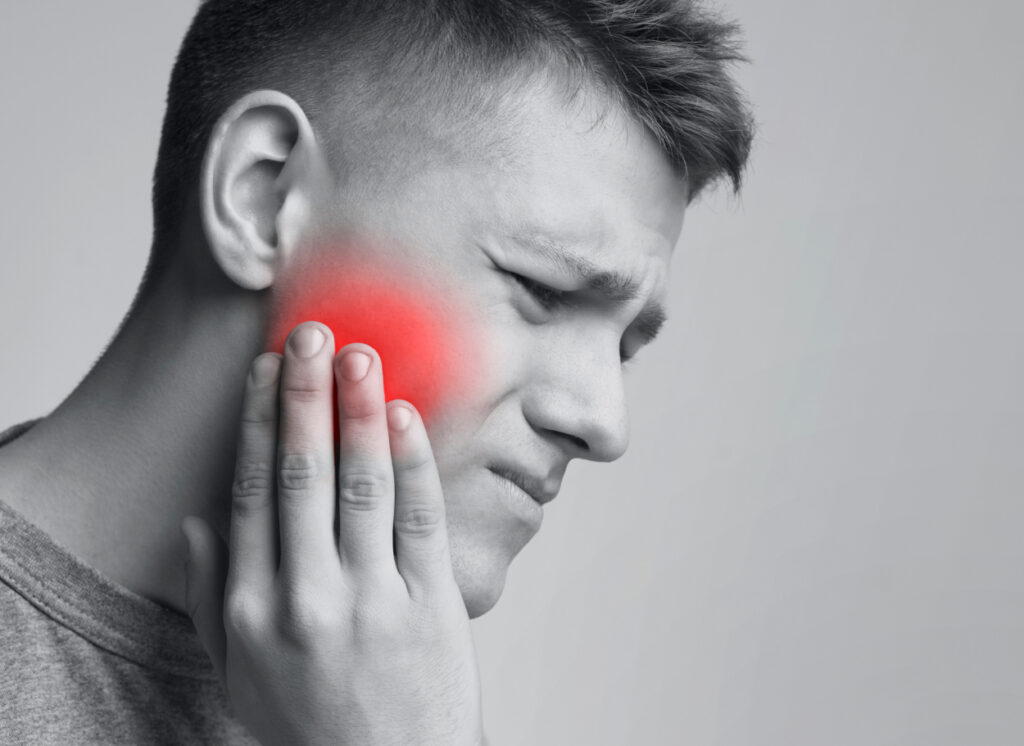
A dental emergency rarely arrives at a convenient hour. It hits during a workday in Century City, late at night after a restaurant meal in Koreatown, or on a weekend when your regular office is closed. When your mouth is throbbing, your face is swelling, or a crown has popped off right before an important event, the last thing you want is to stand at a front desk trying to remember your insurance card, medication list, or what happened to the tooth fragment you wrapped in a napkin.
If you are heading to an Emergency Dentist Los Angeles CA patients often count on for urgent treatment, a little preparation can make the visit faster, safer, and more productive. In a true emergency, getting there matters more than packing perfectly. Still, if you have even ten minutes before you leave, bringing the right items can help the dentist diagnose the problem quickly, reduce delays, and give you the best chance of saving a damaged tooth or avoiding complications.
Los Angeles adds its own layer to emergency care. Traffic can stretch a short trip into a long one. Parking can be awkward. Many practices see a steady mix of locals, commuters, students, visitors, and people without established dental records nearby. That means the more clearly you can present your symptoms and history, the more efficiently the office can work.
Start with the essentials, not the “nice to have” items
The most important things to bring are the items that help the office identify you, verify payment or insurance, understand your medical background, and evaluate the injury itself. If you forget your lip balm or phone charger, no real harm is done. If you forget a blood thinner on your medication list or leave a knocked-out tooth sitting dry on a countertop, the stakes are much higher.
A good emergency dental team can still help even if you arrive with almost nothing. People show up after sports injuries, falls, car accidents, and middle-of-the-night abscess pain with little more than a driver’s license and a swollen jaw. But the appointment usually goes more smoothly when you bring what the dentist needs to treat you safely.
The short checklist worth using before you leave
- A photo ID, insurance card if you have one, and a payment method
- A current list of medications, allergies, and major medical conditions
- Any damaged dental item, such as a broken crown, veneer, retainer, denture piece, or tooth fragment
- A brief note on when the pain started, what triggered it, and whether swelling, fever, bleeding, or trauma is involved
- Your phone, fully charged if possible, in case the office needs forms, records, x-rays, or a ride contact
That is the core kit. Everything else is situational.
Why your ID and insurance matter more in an emergency than people expect
Front desk teams at an Emergency Dentist office are not asking for identification to create extra hassle. They need to confirm who you are, pull the correct chart, protect your privacy, and process treatment consent. In urgent cases, especially when the office is fitting you into a tight schedule, avoiding administrative confusion saves real time.
Bring your driver’s license or another valid photo ID. If you have dental insurance, bring the card even if you are not sure whether the office is in network. In Los Angeles, many emergency practices treat a mix of insured and uninsured patients, and some will bill out-of-network benefits while others may collect payment upfront and provide documentation for reimbursement. A photo of the insurance card can help, but the physical card is better if you have it.
If someone else is paying, for example a spouse, parent, or employer after a work-related injury, sort that out before you arrive when possible. Payment questions can slow the visit Emergency Dentist Los Angeles CA at the exact moment you want the clinical team focused on pain control and treatment.
Bring your medication list, even if the problem “is just a tooth”
This is one of the most commonly overlooked parts of an emergency dental visit. People assume the dentist only needs to know about the tooth. In reality, your medications and health conditions shape almost every treatment decision.
Blood thinners can affect bleeding control. Diabetes can influence healing and infection risk. Bisphosphonate use may matter if an extraction becomes necessary. Recent heart procedures, immune suppression, kidney disease, pregnancy, sleep apnea, seizure disorders, and a history of severe drug allergies can all affect what the dentist prescribes or performs.
If you can, bring a simple list on paper or your phone with the medication name, dose, and how often you take it. If you do not know the dose, the name alone is still useful. Include supplements if you take them regularly, especially anything that may affect bleeding. Dentists also need to know if you have recently taken pain medicine. That matters because combining medications can be unsafe, and because what feels ineffective to you may help the dentist judge the severity and source of the pain.
A surprising number of urgent dental cases involve interactions between over-the-counter products and prescription medications. I have seen patients take multiple brands of pain relievers without realizing they contained similar ingredients. I have also seen people forget they are allergic to a common antibiotic until the medical history is reviewed at the office. In an emergency, those details matter.
If a tooth, crown, or dental appliance came out, bring it with you
Anything that detached from your mouth should come to the appointment if you can find it. This includes a crown, bridge, veneer, night guard, clear aligner, removable partial denture, orthodontic wire segment, implant piece, or a tooth fragment.
Sometimes the item can be reused, at least temporarily. A crown that fell off during lunch might be recemented if it is intact and the underlying tooth has not fractured. A broken denture piece can help the dentist determine whether a repair is possible or whether it is unsafe to wear. A cracked retainer or aligner can also tell the office what forces have been acting on the teeth.
If a permanent tooth has been knocked out completely, how you transport it can affect whether reimplantation is possible. The tooth should be handled by the crown, not the root. If it is dirty, it should be rinsed gently, not scrubbed. Ideally it is placed back into the socket if that can be done safely, or stored in milk or a tooth preservation solution if available. Dry storage is a poor choice. Time matters here. This is one of the few true dental situations where minutes can change the outcome.
For a chipped or broken Emergency Dentist Los Angeles CA tooth, save the fragments if possible. Even when they cannot be bonded back, they may help the dentist assess the extent of the fracture.
Photos help more than most people realize
If swelling changes shape, bleeding stops and starts, or a piece came out before you could get to the office, your phone can become part of the diagnostic process. A quick photo taken when the problem first happened can be useful, especially if the area looks different by the time you arrive.
This is particularly relevant in Los Angeles, where travel time can be unpredictable. A patient may call an Emergency Dentist in Hollywood or downtown, then spend forty-five minutes getting there from another neighborhood. During that time, tissues can swell, bleeding can slow, and the original position of a broken appliance may shift. A clear photo from the first few minutes can fill in some of that gap.
Do not delay emergency care just to stage photos. If you already have them, great. If not, the dentist will examine what is in front of them.
Write down the timeline of what happened
Pain distorts memory. Once you are sitting in the chair, bright light overhead and suction running, it is easy to forget whether the pain started two days ago or five, whether cold made it worse, or whether the swelling began before or after you took antibiotics left over from a previous issue.
A brief timeline helps. It does not need to be formal. Something as simple as “sharp pain on lower right started after biting popcorn kernel Tuesday night, now throbs constantly, woke me at 3 a.m., cheek swelling started this morning, no fever” gives the dentist several useful clues in one sentence.
Be ready to mention whether the problem followed trauma, whether pain is triggered by cold, heat, chewing, sweets, or lying down, and whether you have had dental work on that tooth before. A root canal done ten years ago, a large old filling, or a recent adjustment can change the likely diagnosis.
Previous x-rays and dental records can help, but do not wait for them
If you have recent x-rays from your regular dentist and can access them easily, bring them or ask that they be emailed. That is especially useful if you are seeing an Emergency Dentist while away from your usual office or after hours. Prior images can show whether a suspicious area is new, whether a root canal was done, or how a crown margin looked before the current problem.
Still, do not postpone an urgent visit because records are hard to get. Any competent emergency office can take new images as needed. Old records are helpful, not essential.
This is common in Los Angeles, where people switch neighborhoods, commute long distances, or split time between cities. Dental records often sit in an office across town that is closed for the weekend. Go get evaluated. Records can follow later.
Bring a sense of your pain level, but be specific
Saying “it hurts a lot” is understandable and true, but more detail helps the clinical team triage and diagnose. Try to describe the character of the pain. Is it throbbing, sharp, dull, pressure-like, electric, or only present when biting? Does it linger after cold? Is there a bad taste that suggests drainage? Does the pain radiate toward the ear or temple? Can you point to one tooth or does the whole side feel affected?
Severity matters, but pattern matters just as much. A cracked tooth, an abscess, an exposed nerve, a lost filling, and jaw muscle pain can all feel urgent to the patient, yet they are managed differently. A clear description shortens the path to the right treatment.
If swelling, fever, or trouble swallowing is involved, mention it before you even sit down
Some dental emergencies are primarily painful. Others carry a broader medical risk. Facial swelling, fever, difficulty opening the mouth, trouble swallowing, or a sense that the infection is spreading into the jaw or neck deserve immediate attention. Those symptoms should be reported to the office when you call and repeated when you arrive.
An abscess can go from localized dental pain to a more serious infection faster than patients expect. Emergency dental teams are trained to screen for those red flags. If the situation is beyond the scope of office care, they may direct you to an emergency room or coordinate urgent referral. That is not overreaction. It is clinical judgment.
If you have been taking antibiotics already, bring the bottle or at least know the name and when you started. Partial treatment can blur the symptoms, and the dentist needs the full picture.
Comfort items are optional, but they can make a long visit easier
Emergency appointments do not always wrap up in twenty minutes. Depending on the issue, you may need imaging, anesthesia, drainage, a temporary restoration, an extraction, or referral coordination. In a busy Los Angeles office, especially one working patients in between scheduled cases, there may be some waiting involved.
It is reasonable to bring a few practical items if they fit easily in your bag. Lip balm helps when your mouth is dry. Glasses are useful if you wear contacts and expect to be there a while. A phone charger can be handy if you are managing work, family, or rides while waiting. If you are prone to feeling lightheaded, ask whether it is appropriate to eat before the visit, because some procedures are easier if you are not on an empty stomach, though this can depend on the treatment planned.
That said, do not overload yourself with unnecessary things. Bring what supports the appointment, not what turns a dental emergency into an overnight stay.
When a child is the patient, the bag changes a little
Pediatric dental emergencies come with a separate kind of stress. Parents often arrive carrying half the house, then realize the one thing they forgot was the child’s allergy history or insurance card. For children, identification may mean the parent’s ID and the child’s insurance information. It also helps to know the child’s current weight if the office needs to think through medication dosing, though many practices can weigh the child on site.
If a child has a favorite comfort item, bring one small item, not a full entertainment setup. A calm parent and accurate information do more for the visit than a backpack full of toys. If the injury happened at school, sports practice, or a playground, get the basic facts while they are still fresh. Time of injury, any loss of consciousness, whether the tooth was baby or permanent, and whether there was bleeding from the lips or gums all matter.
For children with special healthcare needs, tell the office in advance if sensory issues, mobility concerns, communication differences, or behavioral triggers may affect the exam. Good emergency teams want that information early so they can adapt the visit.
A few things not to put in your mouth before you go
- Aspirin placed directly on the gum or tooth
- Strong glues, hardware adhesives, or household cement for a crown or appliance
- Very hot compresses on the face when swelling is present
- Alcohol used as a mouth rinse for pain control
- Any leftover antibiotic that was not prescribed for this episode
People try all of these, especially late at night when they are desperate. None of them improves the situation, and some create chemical burns or complicate treatment. Temporary dental cement from a pharmacy can be useful in selected cases, but even then, it is better to speak with the dental office first.
Transportation deserves a little thought in Los Angeles
This is where local experience matters. If you are in severe pain, anxious, swollen, or expecting sedation or prescription pain medication, think carefully about how you are getting there and back. Driving yourself across Los Angeles traffic while distracted by a toothache is not ideal. Parking can add frustration you do not need.
If possible, arrange a ride, use a car service, or ask someone to meet you. This is especially wise if there is any chance of oral sedation, nitrous oxide, or a procedure after which you may not feel up to driving. A cracked molar may turn into an extraction. A swelling that looked simple on the phone may need more involved treatment. Build some flexibility into your transportation plan.
Also give yourself more travel time than the map suggests. A person who arrives ten minutes late for a routine cleaning may still be seen without much disruption. A person who arrives late for an emergency slot may lose valuable treatment time in a schedule already under pressure.
Know what the office may ask before they treat you
Emergency dentists move quickly, but they still need informed consent and a safe clinical setup. Expect questions about pregnancy, medical conditions, medications, allergies, recent food intake, previous reactions to local anesthetic, and whether you have a driver. None of this is red tape for its own sake.
If you have had dental anxiety, fainting episodes, panic attacks, or trouble getting numb in the past, say so. Those details influence how the dentist approaches the appointment. A patient who says, “I always need more local anesthetic on my lower left side,” is giving genuinely useful information. So is the patient who reports, “My jaw locks if I keep it open too long.” Those are the sorts of real-world details that can make a difficult emergency visit more manageable.
What if you have almost nothing with you?
Then go anyway.
If you are in pain, bleeding, swollen, or holding a broken front tooth in a tissue, do not stay home because you cannot find your insurance card or your medication list is incomplete. Bring what you have and explain the rest. A skilled Emergency Dentist can start the evaluation, relieve pain, take x-rays, and decide on urgent treatment with very limited background information when necessary.
The office may ask you to complete paperwork later, call your pharmacy, or follow up on insurance details after the immediate issue is stabilized. That is normal. The priority in an emergency is your health and safety.
The best preparation is a phone call before you leave
If the office is open and answering, call before heading over. Tell them what happened, how long it has been going on, whether there is swelling or trauma, and whether you are bringing a knocked-out tooth or broken crown. Ask if they need any specific records, whether you should avoid eating, and what parking or arrival instructions apply.
This short call often solves small problems before they become delays. The office may advise you to store a tooth a certain way, bring a parent or ride, or head straight to a hospital if your symptoms suggest something more serious than a standard dental emergency.
That is the practical side of urgent care that people rarely think about. The appointment starts before you walk through the door. It starts with the choices you make in the first few minutes, what you bring, how you describe the problem, and how quickly you get the right team involved.
When patients come prepared, even in a modest, realistic way, the visit tends to feel less chaotic. The dentist spends less time reconstructing the backstory and more time solving the problem in front of them. And when you are hurting, that is exactly what you want.
Simple Dental Vermont
Address: 8914 S Vermont Ave, Los Angeles, CA 90044
Phone number: +13239493000
FAQ About Emergency Dentist Los Angeles CA
What can the ER do for a tooth?
The emergency room can provide temporary symptom relief for a bad tooth, such as prescribing pain medicine or antibiotics, but it cannot fix the actual dental problem.
What is the 3-3-3 rule for tooth infection?
The 3-3-3 rule for a toothache or infection typically means taking three 200 mg ibuprofen tablets (600 mg total) three times a day for no more than three days to control pain and swelling while waiting to see a dentist.
What do you do if you have a dental emergency but no dentist?
If you have a dental emergency and no regular dentist, you should search for an urgent care dental clinic, call local walk-in dental offices, or go to a hospital emergency room if you have severe bleeding, swelling, or trouble breathing.