How Long Does It Take to Get Dental Crowns?

If you have been told you need a crown, one of the first questions that usually comes up is simple: how long is this going to take?
The short answer is that getting dental crowns can take anywhere from a single appointment to several weeks, depending on the type of crown, the condition of the tooth, the technology used by the office, and whether any extra treatment is needed first. For some people, it is done in a day. For others, it unfolds over two or three visits, sometimes longer if there are complications.
That wide range is what makes the topic confusing. Patients often hear a friend say, “Mine was done in one afternoon,” then hear someone else say, “I had a temporary for nearly a month.” Both experiences can be normal. The timeline depends less on the crown itself and more on the steps required to make it fit, function, and last.
The typical timeline for dental crowns
In a standard dental office that sends crowns to an outside lab, the process often takes about one to three weeks from tooth preparation to final placement. That usually involves two appointments.
At the first visit, the dentist examines the tooth, removes decay or old filling material if needed, shapes the tooth so the crown can fit over it, and takes an impression or digital scan. A temporary crown is usually placed before you leave. The lab then makes the final crown. At the second visit, the temporary is removed, the permanent crown is tried in, adjusted if necessary, and cemented into place.
That is the routine version. It is common, predictable, and still widely used because lab-made crowns can be very accurate and esthetic. For many back teeth, and for many front teeth too, this is the path people take.
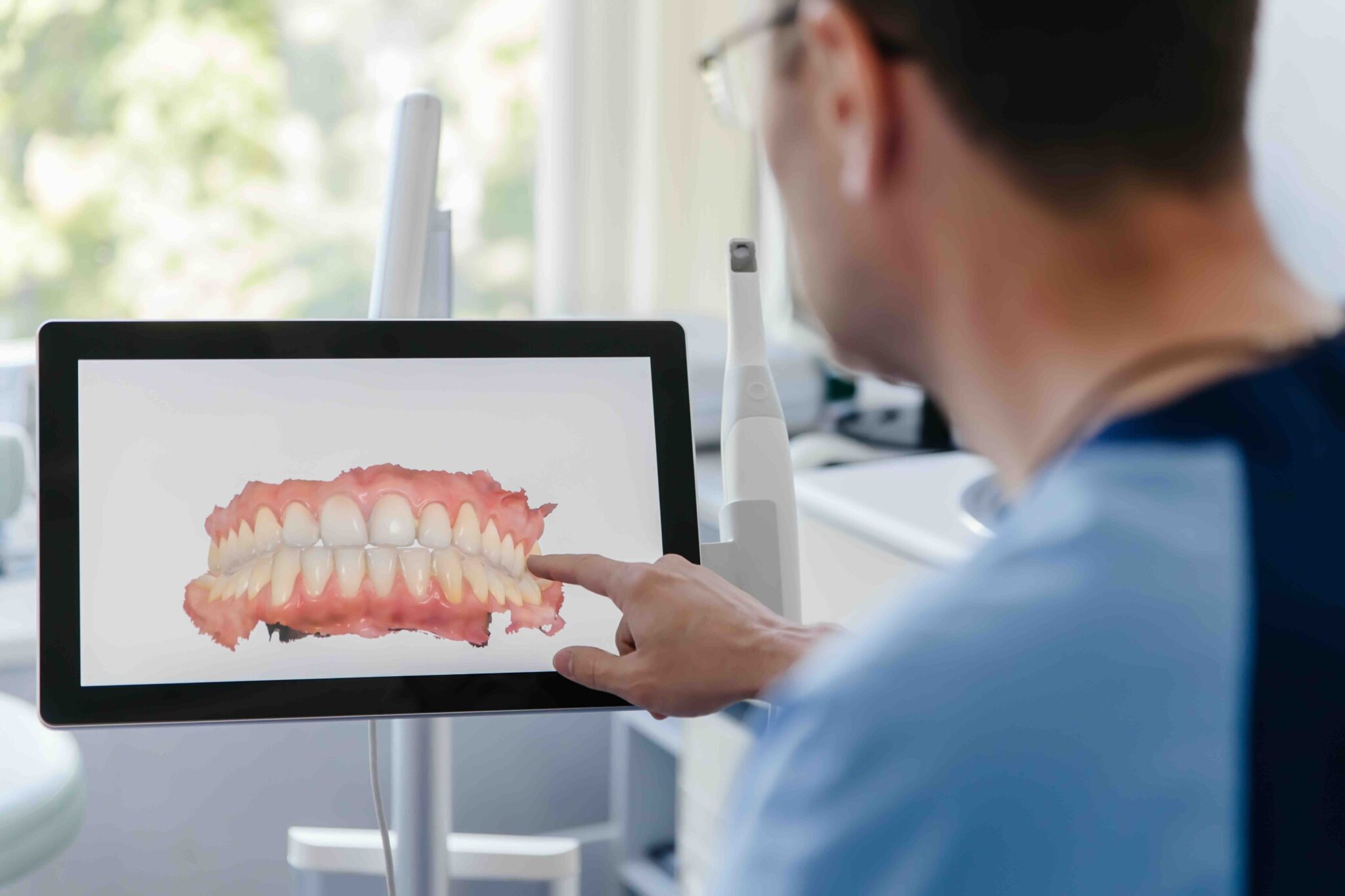
Chairside crowns made with same-day technology can shorten that timeline dramatically. In those offices, a digital scan is used to design the crown, and a milling machine makes it on site. If everything lines up well, the tooth can be prepared, scanned, milled, adjusted, and bonded or cemented in a single appointment that may last around 90 minutes to three hours.
So when people ask how long it takes to get dental crowns, the practical answer is this: one visit if the office offers same-day crowns and your case is straightforward, two visits over one to three weeks if the crown is made in a dental lab, and longer if the tooth needs more work first.
What happens before the clock really starts
Patients often count only the crown appointments, but the true timeline sometimes begins earlier.
A tooth that needs a crown is not always ready for one the day it is diagnosed. If there is deep decay near the nerve, the dentist may need to determine whether the tooth is still healthy enough for a crown alone. If the nerve is inflamed or infected, root canal treatment may come first. If the tooth is cracked below the gumline or has too little healthy structure left, the dentist may recommend a buildup or post before the crown can even be considered.
This matters because it changes expectations. A crown itself might take two visits, but the whole treatment could stretch over several weeks if supporting work needs to happen in stages. Someone who comes in with a large broken molar may leave thinking the crown will be done next week, then learn that the tooth first needs root canal therapy with an endodontist, followed by a short healing period, then the crown preparation visit after that.
There are also scheduling realities. Even when the tooth is ready, the next available appointment may not be for several days. Lab turnaround time can vary too. A local lab may deliver in a week. A busier lab, a holiday week, or a highly esthetic front-tooth case may take longer.
The first appointment, where most of the work happens
The first crown visit is usually the longest if you are getting a conventional crown. People are often surprised by that. They assume the final placement will be the big day, but most of the actual dental work happens during preparation.
The dentist first numbs the tooth and surrounding gum tissue. If the tooth has a very large old filling or deep damage, removing weak structure and cleaning out decay can take time. Once the tooth is stable, it is reshaped. A crown needs room, and that means reducing the tooth enough for the material to have proper thickness without making the bite too high or the crown too bulky.
That reshaping can take 30 minutes in a simple case or noticeably longer when there is old metal, difficult access, or a tooth that is badly broken down. If the gum tissue needs to be gently managed to capture a clean margin, that adds time too. Impressions or digital scans come next. Then the dentist chooses the shade, checks the bite, and places a temporary crown if the permanent one is not being made in house.
A straightforward prep appointment may take about 60 to 90 minutes. More involved cases can run two hours or more. A patient having two or three crowns done in one area may be in the chair much longer, even if the overall timeline is still only two visits.
Why temporary crowns matter
Temporary crowns are easy to underestimate until one comes loose on a Friday night.
They are not just placeholders. They protect the prepared tooth, help keep nearby teeth from drifting, preserve the gum contour, and give you a functional surface while the lab makes the final crown. A well-made temporary can also preview shape and comfort. For front teeth in particular, it gives both patient and dentist a chance to evaluate appearance before the final crown is cemented.
Most people wear a temporary for about one to three weeks. During that time, some sensitivity to cold or pressure is normal, especially if the tooth was already irritated before treatment. The temporary material is not as strong as the final crown, so dentists usually recommend avoiding sticky candy, very hard foods, and the habit of chewing ice.
When a temporary breaks or falls off, it does not always mean something was done wrong. Some teeth have short walls, some bites are heavy, and some people clench. Still, if a temporary repeatedly comes off, the office should know. Recementing it is not busywork. It protects the prepared tooth and keeps the final crown on track.
The second appointment, usually much shorter
The delivery visit is often easier than people expect. In many cases, it takes around 30 to 60 minutes.
The dentist removes the temporary crown, cleans the tooth, and tries in the permanent crown. This is where fit matters. The margins have to sit properly. The contact with neighboring teeth has to be snug enough to prevent food trapping, but not so tight that floss shreds or you cannot seat the crown fully. The bite is checked carefully. A crown that looks good on the model can still need small adjustments in the mouth.
Front teeth can take longer at this stage because color, translucency, and contour are more visible. Some patients are highly aware of even slight differences in shape. That is understandable. A tiny change in the length or line angle of a front tooth can completely alter the smile. In those cases, a dentist may spend more time evaluating it from multiple angles and in different lighting before final cementation.
Once the fit and bite are right, the crown is cemented or bonded, depending on the material and clinical plan. Some cements set quickly. Others require a bit more cleanup and finishing. Afterward, the dentist rechecks the bite because even a very small excess can feel “off” once the numbness fades.
Same-day crowns, faster but not always better for every case
Same-day crowns are attractive for obvious reasons. Fewer visits, no temporary in many cases, no return trip just to seat the crown. For busy patients, that convenience can be a major advantage.
They are especially appealing for uncomplicated posterior teeth. A patient with a cracked molar and a full schedule often loves the idea of walking in with pain and walking out with a finished restoration the same day. No waiting for the lab, no babying a temporary, no second injection next week.
Still, same-day does not automatically mean best in every situation. Some front teeth benefit from a highly skilled dental laboratory technician who can layer color and texture in a way that chairside systems do not always match. Some cases with difficult bites or very deep margins may also be better suited to a conventional workflow. The fastest route is useful, but the goal is not speed alone. It is a crown that fits, feels natural, and lasts.
When the process takes longer than expected
Several things can lengthen the timeline, and most of them are clinical rather than administrative.
Here are common reasons a crown case gets delayed:
- The tooth needs a root canal, buildup, or gum treatment first.
- The dental lab needs extra time, especially for complex esthetic work.
- The impression or scan has to be retaken because the margin was not clear enough.
- The final crown comes back and needs remaking due to fit, color, or bite issues.
- The patient has scheduling limitations or misses the placement appointment.
The remake issue is worth mentioning because patients rarely hear about it ahead of time. Even in good hands, not every crown seats perfectly the first time. A contact may be too tight, the shade may be slightly off, or the margin may not meet the standard the dentist wants. When that happens, sending it back is the right call. It is inconvenient, but it is better than cementing a crown that will annoy you every time you chew.
I have Dental Crowns seen patients become frustrated by a delay, then later express relief that the dentist refused to “just make it work.” That judgment matters. A few extra days are easier to live with than years of food packing, bite discomfort, or cosmetic dissatisfaction.
Different crown materials can affect timing
Not every crown is made the same way, and the material can influence the timeline.
A zirconia crown, for example, is often chosen for strength, especially on back teeth. Depending on the office setup, it may be milled in house or made in a lab. Porcelain-fused-to-metal crowns are less popular than they once were, but some practices still use them in specific situations. All-ceramic crowns are often favored for esthetics, particularly in visible areas.
The patient does not need to memorize every material option, but it helps to know that some crowns are simpler to produce quickly while others may need more layered workmanship. A single back molar crown designed mainly for durability is a different project from rebuilding a front tooth to match the exact character of the neighboring incisor.
If your dentist says, “This one may take a little longer because I want the lab to customize the shade,” that is usually a sign of care, not inefficiency.
What the appointment feels like from the patient side
For many people, the time in the chair feels longer than the calendar time between appointments. That is because crown visits can be physically tiring even when they are routine.
Keeping your mouth open during a long prep, hearing the sound of the handpiece, feeling the pressure of bite checks, and staying numb for a while afterward can make the visit feel like a bigger event than a simple filling. The actual procedure may be straightforward, but the experience is still real. If you gag easily, have TMJ symptoms, or get anxious in the dental chair, let the office know before the appointment. Small adjustments can make a big difference.
Some patients also assume they will be fully “back to normal” the moment the final crown is placed. Usually that happens quickly, but there can be a short adjustment period. A new crown can feel prominent for a day or two simply because your tongue notices any change. Mild tenderness around the gum is also common, especially if the area was worked on extensively. If the bite still feels high after the numbness wears off, that is not something to just endure. A quick adjustment can solve it.
A realistic day-by-day example
A practical example helps more than generalities.
Imagine Dental Crowns a patient breaks a large chunk off a lower molar while chewing on a seed. The dentist examines the tooth on Monday, takes an X-ray, and finds that the fracture is above the gumline and the nerve looks healthy. Good news. The office schedules the crown prep for Wednesday.
On Wednesday, the tooth is numbed, cleaned up, built up with filling material where needed, shaped for the crown, scanned digitally, and covered with a temporary crown. The prep visit takes about 90 minutes. The scan goes to the lab that afternoon.
By the next Wednesday, the lab delivers the permanent crown. The patient returns Thursday for the seat appointment. The temporary comes off, the crown is tried in, the bite is adjusted slightly, and the crown is cemented. That second visit takes around 40 minutes.
From diagnosis to completion, that case took ten days. That is very typical.
Now change one detail. During the prep appointment, the dentist discovers the crack extends deeper than expected and the tooth does not test well. A root canal is recommended before the crown can be finalized. Suddenly the timeline shifts. The patient sees an endodontist the following week, returns to the general dentist after that, and gets the crown seated another week later. The same broken tooth now takes three or four weeks from start to finish.
Neither timeline is unusual.
Questions worth asking before you start
You do not need to become a dental expert to get clear expectations. A few direct questions usually tell you what kind of timeline you are looking at.
Here are the questions that tend to matter most:
- Will this crown be done in one visit or two?
- Will I need a temporary crown?
- Does the tooth need a buildup or root canal first?
- How long does your lab usually take?
- What should I expect if the temporary comes off or the bite feels high?
Those questions often reveal more than “How long does it take?” because they uncover the reasons behind the timing.
When speed should not be the main priority
There is understandable pressure to get treatment done quickly, especially if the tooth is visible or uncomfortable. But faster is not always better if it means compromising diagnosis, fit, or planning.
A crown should protect the tooth for years, not just get you through the week. Rushing past signs of nerve irritation, glossing over a questionable crack, or accepting poor esthetics because “at least it was fast” can create bigger problems later. The best dentists are usually efficient, but they are also selective about when to slow down.
That is especially true with front teeth, heavy grinders, and teeth that have already had a lot of dental work. Those are the cases where thoughtful planning matters most. Sometimes the extra appointment is not a hassle, it is what makes the result stable.
So, how long does it take to get dental crowns?
For most people, dental crowns take two visits over one to three weeks. If the office offers same-day technology and the case is straightforward, it may be done in a single appointment. If the tooth needs root canal treatment, a buildup, gum treatment, or a remake of the crown, the process can stretch to several weeks.
The better question is not just how long it takes, but what needs to happen for the crown to be done well. Once you know that, the timeline makes more sense. A crown is not just a cap placed on a tooth. It is a carefully fitted restoration, and the steps that take time are usually the same steps that make it comfortable, durable, and worth having.
Simple Dental Vermont
Address: 8914 S Vermont Ave, Los Angeles, CA 90044
Phone number: +13239493000
FAQ About Dental Crowns
How much do crowns cost per tooth?
In the United States, a single dental crown typically costs between $800 and $2,500 per tooth without insurance. The ultimate out-of-pocket price depends heavily on the crown material, the location of the tooth, and whether you have dental insurance coverage.
What is the downside of crowns on teeth?
The primary downside of a dental crown is that the procedure permanently removes natural tooth enamel to shape the tooth for the cap.
Why do dentists push for crowns?
Dentists recommend crowns because a large filling cannot provide enough strength when a tooth loses a major portion of its structure or faces heavy chewing pressure.