How an Emergency Dentist Helps Stop Bleeding Gums and Trauma

Few dental problems feel as urgent as blood in the mouth. A little pink in the sink after aggressive flossing is one thing. Bleeding that starts suddenly, does not stop, follows a hit to the face, or comes with pain, swelling, or loose teeth is something else entirely. In those moments, an emergency dentist steps into a role that goes far beyond filling cavities or polishing teeth. The job is to control bleeding, protect the airway, reduce pain, preserve teeth and bone, and prevent a manageable injury from turning into a lasting problem.
People often wait too long because they assume all gum bleeding comes from gingivitis, or they are unsure whether a mouth injury really counts as a dental emergency. In practice, the line is usually clear. If blood is flowing steadily, if the mouth was injured in a fall, sports accident, car crash, or bite, or if the gum tissue appears torn, detached, or deeply swollen, prompt treatment matters. The mouth has a rich blood supply. That is why small injuries can look dramatic, and why proper assessment is so important.
An experienced Emergency Dentist knows that bleeding gums and oral trauma rarely exist in isolation. A bleeding site may hide a fractured root, a laceration that needs closure, a tooth pushed out of position, or damage to the jawbone. In more routine cases, severe gum inflammation or a periodontal abscess may be the real source. The first priority is not guessing. It is identifying exactly where the bleeding is coming from, how much tissue is involved, and whether the problem threatens the tooth, surrounding structures, or the patient’s general health.
When bleeding gums cross into emergency territory
Chronic gum bleeding usually develops from plaque buildup and inflammation. It tends to show up during brushing or flossing and often improves when oral hygiene and periodontal care improve. Emergency bleeding behaves differently. It may begin after trauma, after recent dental work, during an infection flare, or without warning in a patient taking blood thinners. The blood may pool in the mouth, soak gauze repeatedly, or restart every time pressure is released.
A patient with severe periodontal disease can also tip into an urgent situation. I have seen cases where a gum abscess built pressure overnight and then burst, leaving bleeding, foul taste, swelling, and intense soreness. The issue was not just the blood. It was infection, tissue destruction, and the risk of rapid worsening. In another common scenario, a person bites into something sharp, tears the gum between two teeth, and assumes it will settle on its own. By the next morning the flap is hanging, brushing is impossible, and the area is inflamed enough to require immediate care.
Children and older adults often present differently. Children may have dramatic lip and gum bleeding after a playground fall, even when the teeth seem intact. Older adults may bleed more heavily from seemingly minor injuries because of medications, thinner tissue, or dentures that have rubbed the gums raw. A good emergency assessment takes age, medical history, and mechanism of injury into account, not just the amount of blood visible.
What an emergency dentist looks for first
The first few minutes of the visit are highly focused. Before any definitive repair, the dentist has to determine whether the bleeding is superficial or a sign of deeper structural damage. That means looking at the gums, lips, cheeks, tongue, teeth, bite, and jaw function. It also means asking questions that help narrow the cause. Was there a blow to the mouth? Did a tooth move? Was there recent periodontal treatment or an extraction? Is the patient on aspirin, warfarin, apixaban, or another anticoagulant? Is there dizziness, difficulty swallowing, or trouble breathing?
Not every office follows the same sequence, but the priorities are consistent:
- Control active bleeding with pressure, local measures, and a clear view of the source.
- Rule out airway risk, severe facial injury, and jaw fracture.
- Check whether teeth are cracked, displaced, loosened, or knocked out.
- Assess soft tissue damage, including gum tears and lacerations.
- Reduce infection risk and stabilize the area for healing.
That combination of triage and treatment is what distinguishes emergency dental care from home management. A rinse and a paper towel can help temporarily. They cannot tell you whether the tooth root is fractured or the bone around the tooth has been compromised.
How bleeding is actually stopped in the dental chair
People often imagine that stopping oral bleeding is as simple as pressing gauze on the area. Sometimes it is. Often it is not. The mouth is wet, mobile, highly vascular, and constantly disturbed by speaking, swallowing, and tongue movement. Effective control depends on finding the source and choosing the right method.
For a superficial gum bleed, the dentist may use direct pressure, medicated gauze, a local anesthetic with a vasoconstrictor, or a topical hemostatic agent. If a small vessel in the gum tissue continues to ooze, careful suturing may be the best way to approximate the tissue and let a clot hold. If the problem is tied to calculus trapped under the gumline or an abscess draining through inflamed tissue, the area may need irrigation, debridement, or drainage so the pressure comes down and the tissue can settle.
Bleeding after trauma is a different problem. A tooth that has been intruded, extruded, or laterally displaced can tear the ligament and gum attachment around it. In those cases, bleeding control is tied to repositioning and stabilizing the tooth. If the tooth stays out of place, the tissue keeps moving and the clot keeps breaking. Splinting the tooth to its neighbors may be what finally stops the cycle.
After an extraction or recent oral surgery, the emergency dentist checks whether the socket contains a stable clot, whether there is exposed bone, and whether the patient may have dislodged the clot through rinsing, smoking, spitting, or using a straw too soon. Some sockets need fresh clot management or additional dressing. Others need review of medications or coordination with the patient’s physician if the bleeding is unusually persistent.
Trauma to the gums is rarely just a gum problem
One of the most important functions of an Emergency Dentist is seeing the hidden injury. Gum tissue can split because it was pinched between teeth during impact. It can detach because a tooth shifted suddenly. It can bleed because a sharp fracture edge is cutting the tissue with every movement. In a busy emergency setting, the dramatic blood can distract from the real threat, which is loss of tooth vitality, infection of the pulp, or damage to supporting bone.
A simple example is the patient who arrives after being hit by an elbow during a basketball game. The gums around the front teeth are bleeding, but the teeth look only slightly crooked. On examination, the bite feels off and one tooth is tender to tapping. Imaging may show a root fracture or a small alveolar bone fracture that would be easy to miss without a trained exam. If treated quickly, the tooth may be splinted and monitored successfully. If ignored for a week, the tooth may darken, die, or become much harder to save.
Soft tissue injuries can also involve embedded debris. Dirt, asphalt, glass, or tooth fragments can lodge in the gums, lip, or cheek. Cleaning these wounds matters for healing and appearance. I have seen tiny enamel shards left in a lower lip after a fall. They were missed at first because the swelling hid them. Days later, the lip remained painful and inflamed until the fragments were removed. That sort of detail is exactly why dental trauma should not be treated casually.
Common emergencies that involve bleeding gums
Bleeding gums can accompany several distinct emergencies, each with its Simple Dental Vermont Emergency Dentist Los Angeles CA own treatment path. Trauma is the most obvious, but infection and advanced gum disease are close behind. A periodontal abscess often creates throbbing pain, swelling, a bad taste, and spontaneous bleeding when touched. Deep cleaning alone may not be enough in the moment. The area may need drainage, localized antimicrobial care, occlusal adjustment if the tooth is taking excess biting force, and close periodontal follow-up.
Another frequent cause is food impaction under the gum, especially around crowns, bridges, and tightly spaced molars. A popcorn hull or sharp chip fragment can lodge deep enough to create brisk bleeding and rapid swelling. Patients are often surprised by how severe it feels. Once the material is removed and the area is cleaned, the relief can be immediate, but the dentist still needs to confirm there is no underlying pocketing, crack, or restoration defect that caused the trap in the first place.
Orthodontic appliances can contribute as well. Wires and brackets sometimes cut soft tissue badly enough to produce persistent bleeding, particularly after a blow to the mouth. Dentures, too, can become an urgent issue if they create pressure sores in medically fragile patients. A raw, bleeding ridge under a denture may not sound dramatic, but in a diabetic patient or someone undergoing cancer treatment, tissue breakdown can escalate quickly.
What to do before you get to the office
The right first aid can make a real difference, especially in the first 30 minutes after injury. Panic usually makes bleeding look worse than it is, and people often do the wrong thing by checking the site every minute or rinsing repeatedly.
Use this short approach while arranging care:
- Apply firm, steady pressure with clean gauze or a damp tea bag for 10 to 15 minutes without peeking.
- Use a cold compress on the outside of the face if there is swelling or recent trauma.
- If a tooth has been knocked out, hold it by the crown, not the root, and place it in milk or saliva.
- Avoid aspirin unless a physician has told you to take it, because it can worsen bleeding.
- Seek urgent dental care if bleeding continues, a tooth is loose, the bite feels wrong, or a deep cut is visible.
That advice sounds simple, but execution matters. Pressure must be constant. Ice goes outside the mouth, not directly on injured gum tissue. A knocked-out tooth should never be scrubbed. Time is critical for reimplantation, ideally within 30 to 60 minutes when possible, though even delayed attempts may still be worth evaluating.
If there is loss of consciousness, suspected jaw fracture, uncontrolled facial swelling affecting breathing, or heavy bleeding that cannot be contained, the emergency department may be the safer first stop. Emergency dental care and hospital care are not competitors. They often overlap, and good judgment means knowing when maxillofacial trauma exceeds the scope of an office visit.
How imaging changes the outcome
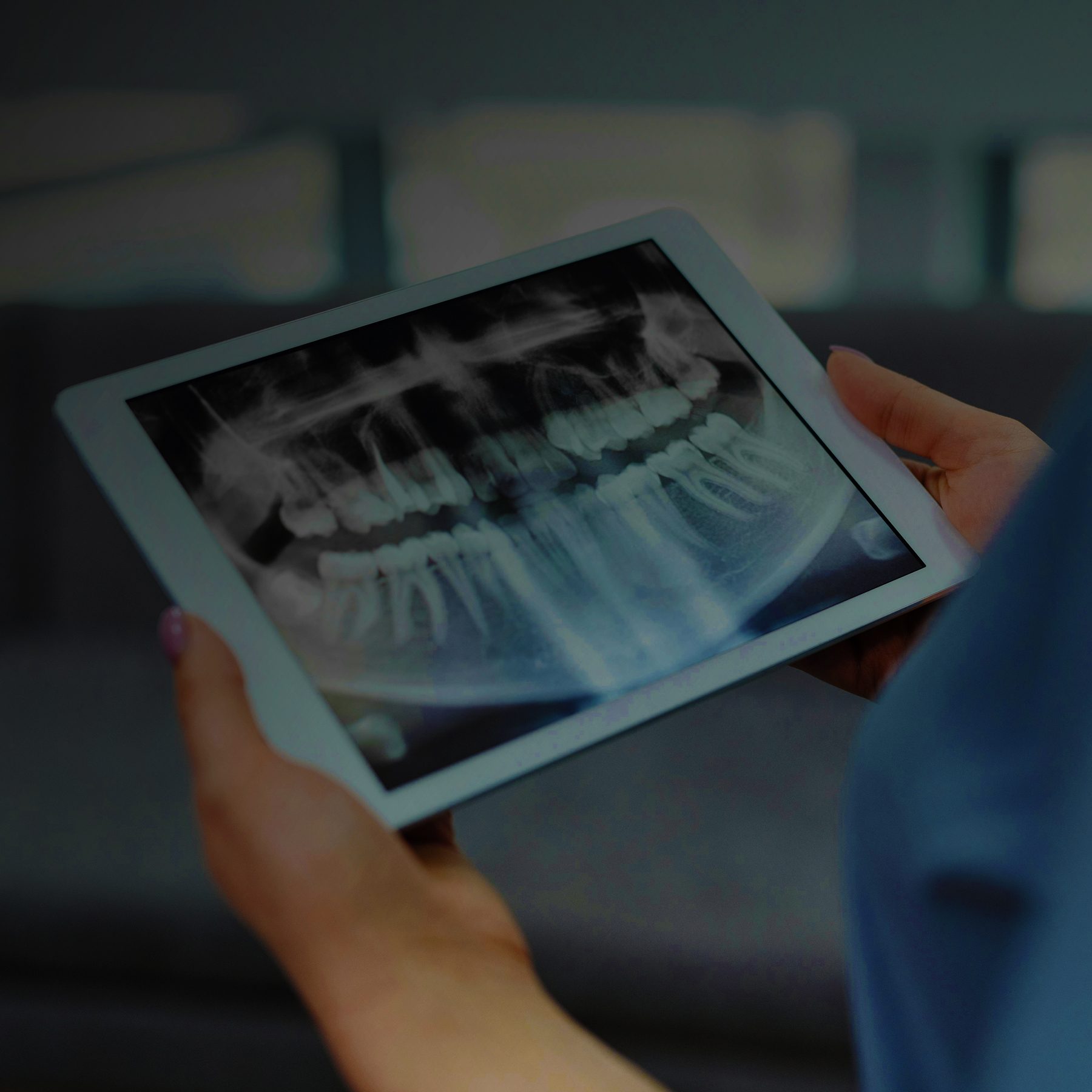
Patients sometimes resist X-rays because they think the problem is “just the gums.” In urgent care, imaging is often what prevents a bad miss. A periapical film or panoramic image can reveal root fractures, bone loss patterns, impacted debris, or teeth driven into the socket. More complex injuries may warrant cone beam CT to assess the surrounding bone and adjacent structures with more precision.
Imaging also helps the dentist document a baseline. After trauma, a tooth may look fine on day one and still develop nerve damage weeks later. Having an initial record of root status, periodontal ligament space, and bone condition guides follow-up and makes later changes easier to detect. This is particularly important for front teeth, where the cosmetic and functional stakes are high.
The role of sutures, splints, and follow-up care
Emergency treatment is often only the first phase. A gum laceration may need fine sutures that come out in a week. A displaced tooth may need a flexible splint for a couple of weeks, sometimes longer depending on the injury. A deeply inflamed periodontal area may require a staged plan that begins with bleeding control and continues with periodontal therapy after the tissue calms down.
That follow-up is where experience shows. Not every cut should be sutured. Not every loose tooth should be splinted the same way. Overly rigid stabilization can create its own problems, and overprescribing antibiotics for every bleeding gum injury is poor care. The best emergency dentists tailor the response. They know when local treatment is enough, when endodontic monitoring is necessary, and when referral to a periodontist or oral surgeon will give the patient the best chance at long-term stability.
In a place with a dense population and active lifestyle, this matters even more. Patients searching for an Emergency Dentist Los Angeles CA are often dealing with sports injuries, bicycle falls, cosmetic concerns, and packed schedules that tempt them to delay treatment. The challenge is to solve the acute problem without losing sight of function and appearance. A front tooth can be stopped from bleeding and still be left in a poor position if the care is rushed. Good emergency treatment balances speed with precision.
Special concerns for patients on blood thinners or with medical conditions
Bleeding gums are not always purely dental. Medication and health history can turn a modest injury into a prolonged event. Patients taking anticoagulants or antiplatelet drugs may bleed longer after trauma, deep cleaning, or spontaneous gum irritation. The answer is not to stop prescribed medication on your own. Instead, the emergency dentist uses local bleeding control, reviews the medication history carefully, and consults the physician when needed.
Certain conditions deserve extra caution. Uncontrolled diabetes can slow healing and raise infection risk. Blood disorders can change how aggressively the dentist approaches a persistent bleed. Patients receiving chemotherapy or immune-suppressing medication may have fragile tissues and need more careful infection management. In these cases, the emergency visit is still dental, but it has to be coordinated with the larger medical picture.
Pregnancy also changes the conversation. Hormonal shifts can make gums more reactive and prone to bleeding, but trauma and infection still require proper treatment. The dentist may adjust imaging and medication choices, not postpone necessary care. Untreated oral infection is not a neutral option.
Why timing often determines whether a tooth can be saved
There is a practical reality in dental trauma: minutes and hours matter more than most people think. A tooth that is knocked out, partially displaced, or surrounded by torn, bleeding gum tissue has a better chance when treated promptly. Blood supply, ligament viability, and contamination all worsen with delay. Even when the tooth cannot be saved permanently, fast stabilization can preserve bone and soft tissue, which makes later restorative work far easier and more natural-looking.
This is especially relevant for the upper front teeth. A delayed visit may turn a straightforward splinting case into root canal therapy, extraction, implant planning, grafting, and months of treatment. From the patient’s point of view, the event was a bleeding gum injury. From the clinician’s Emergency Dentist Los Angeles CA point of view, it was the first hour of a much larger decision tree.
Preventing the next emergency
Some gum bleeding emergencies are random accidents. Others leave clues beforehand. Inflamed gums that bleed daily, loose teeth, old fractured fillings, poor-fitting mouthguards, and neglected periodontal disease all increase the chances that a minor incident will become a major problem. Prevention is rarely dramatic, but it is effective.
A custom mouthguard is one of the best examples. Athletes often buy a boil-and-bite guard and assume all protection is equal. In reality, fit affects both comfort and trauma prevention. A well-made guard cushions impact and helps reduce tooth displacement and soft tissue cuts. Similarly, regular periodontal maintenance lowers the chance that a small insult will trigger heavy bleeding in already diseased gums.
Home care matters too, though it is often misunderstood. People with tender gums sometimes stop brushing the area, which allows more plaque to accumulate and makes the tissue bleed even more. Gentle but thorough cleaning, plus timely professional care, usually works better than avoidance. If brushing produces dramatic bleeding, that is not a reason to quit. It is a reason to be examined.
What patients should expect after treatment
Once the immediate bleeding is controlled, the area may still look bruised and feel sore for several days. Mild oozing can be normal, especially after periodontal treatment or soft tissue repair, but active bright red bleeding that saturates gauze is not. Patients should expect clear instructions on eating, oral hygiene, medication use, and warning signs. Soft foods, gentle rinsing when appropriate, and avoiding smoking are standard parts of recovery.
They should also expect monitoring. A traumatized tooth may need vitality testing over time. A repaired gum laceration may need evaluation for tissue color, attachment, and contour. A periodontal infection may require definitive treatment after the emergency phase has passed. The most successful outcomes happen when the patient understands that the first visit solves the crisis, while the next visits protect the result.
An emergency dentist does more than stop blood. The work is diagnostic, surgical, restorative, and preventive all at once. When gums bleed heavily or oral tissues are injured, the right care can preserve not only comfort, but also teeth, bone, appearance, and long-term oral health. That is why prompt attention is not overreacting. It is often the difference between a brief interruption and a much longer, more expensive recovery.
Simple Dental Vermont
Address: 8914 S Vermont Ave, Los Angeles, CA 90044
Phone number: +13239493000
FAQ About Emergency Dentist Los Angeles CA
What can the ER do for a tooth?
The emergency room can provide temporary symptom relief for a bad tooth, such as prescribing pain medicine or antibiotics, but it cannot fix the actual dental problem.
What is the 3-3-3 rule for tooth infection?
The 3-3-3 rule for a toothache or infection typically means taking three 200 mg ibuprofen tablets (600 mg total) three times a day for no more than three days to control pain and swelling while waiting to see a dentist.
What do you do if you have a dental emergency but no dentist?
If you have a dental emergency and no regular dentist, you should search for an urgent care dental clinic, call local walk-in dental offices, or go to a hospital emergency room if you have severe bleeding, swelling, or trouble breathing.