Emergency Dentist Solutions for Sudden Jaw Pain in Los Angeles CA
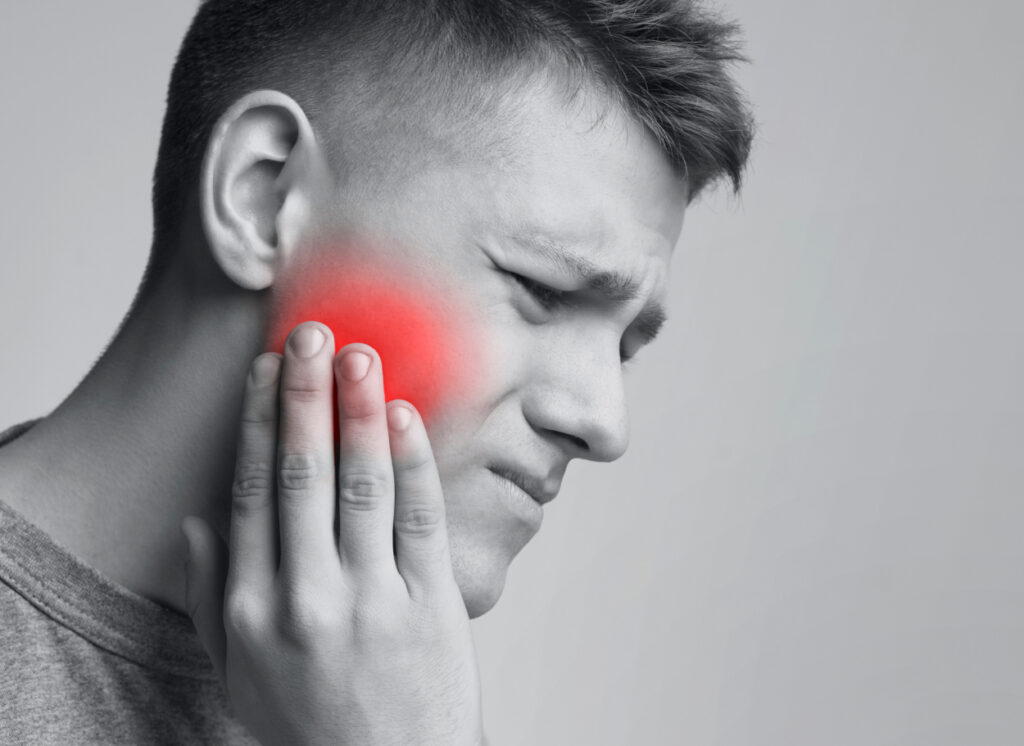
Sudden jaw pain has a way of taking over everything. Eating becomes difficult, speaking feels awkward, sleep slips out of reach, and even a routine drive across Los Angeles can feel much longer when every bump in the road sends a throb through your face. Patients often describe it as one of the more unsettling types of dental pain because the source is not always obvious. A tooth may look fine in the mirror, yet the jaw hurts intensely. The discomfort may start near the ear, spread into the neck, or radiate across the cheek. In some cases, the problem is clearly dental. In others, it only seems that way at first.
That uncertainty is exactly why urgent evaluation matters. An experienced Emergency Dentist can sort out whether the pain is coming from an abscessed tooth, a cracked molar, an erupting wisdom tooth, temporomandibular joint irritation, trauma, or a non-dental condition that needs a different type of care. In a city as large and fast-moving as Los Angeles, waiting a few days to “see if it settles down” can turn a manageable issue into a genuine emergency.
When jaw pain crosses into emergency territory
Not every sore jaw requires same-day treatment, but some cases do. The line usually has less to do with the intensity alone and more to do with the pattern of symptoms. A dull ache after chewing something hard may be annoying, yet it is very different from jaw pain that wakes you at 2 a.m., causes swelling, or makes it hard to open your mouth.
In practice, the cases that raise the most concern are the ones that involve infection, sudden structural damage, or functional limitation. A lower molar with a deep infection can create pressure that feels like it sits in the bone itself. A cracked tooth can trigger pain when biting, then calm briefly, only to flare again with cold air or hot coffee. Impacted wisdom teeth often create pain farther back near the angle of the jaw, and some people mistake that for an ear problem at first.
Severe jaw pain also deserves close attention when it appears with facial swelling, bad taste in the mouth, pus drainage, fever, or difficulty swallowing. Those symptoms suggest the problem may be extending beyond a single tooth. Dental infections can spread into surrounding tissues, and once swelling begins to interfere with normal movement or breathing, the situation becomes more urgent than many people realize.
Los Angeles dentists who handle emergencies see another pattern often enough to mention it plainly: people try to power through because of work, traffic, family logistics, or fear of the dentist. By the time they come in, a small issue has become a complicated one. A filling that could have been replaced becomes a root canal. A cracked tooth that might have been saved splits below the gumline and has to be removed. Timing matters.
The most common dental causes of sudden jaw pain
Jaw pain is a symptom, not a diagnosis. That distinction matters because treatment depends on finding the true source.
A tooth infection is one of the leading culprits. When the nerve inside a tooth becomes inflamed or dies, pressure can build at the root tip and spread into the jawbone. Patients often describe deep, persistent pain, tenderness when chewing, and sensitivity to temperature. Sometimes the tooth itself is easy to identify. Other times, the pain seems to involve the whole side of the mouth.
Cracked teeth are another frequent cause. A crack may not be visible without magnification, and pain can be inconsistent, which makes people doubt themselves. They will say, “It only hurts when I bite a certain way,” or “It zings and then disappears.” Those details are useful. Cracks often behave exactly like that. Molars bear heavy chewing forces, so they are common sites for sudden pain after biting ice, popcorn kernels, hard bread crust, or even after months of nighttime clenching.
Wisdom tooth complications can also create abrupt jaw discomfort. A partially erupted wisdom tooth may trap food and bacteria beneath the gum tissue, leading to localized infection and swelling. The jaw can feel stiff, the gum can become tender and swollen, and opening wide may hurt. In younger adults, especially late teens through the twenties, this is a common emergency complaint.
Then there is temporomandibular joint strain, usually shortened to TMJ or TMD-related pain. This tends to present differently from an infected tooth. The jaw may click, lock, feel fatigued, or hurt more after stress, gum chewing, or waking up from sleep. Even then, overlap is common. A person who clenches at night can crack a tooth, and now both conditions are present at once. That is why a good emergency exam looks at the whole system, not just the most obvious tooth.
What an Emergency Dentist Los Angeles CA practice is trying to determine quickly
When you arrive with sudden jaw pain, the first goal is not merely pain relief. It is triage with precision. The dentist needs to answer a few key questions quickly. Is this infection, fracture, inflammation, or referred pain? Is the tooth salvageable? Is there swelling that changes the level of urgency? Is this strictly dental, or could it be related to the sinuses, salivary glands, nerves, or something more serious?
A careful emergency visit usually includes a health history update, symptom timing, percussion or bite testing, visual exam, gum evaluation, and dental imaging when appropriate. An X-ray may show a deep cavity, a root infection, bone loss, an impacted tooth, or signs of trauma. It may also show very little, which is where clinical judgment matters. Not every crack is visible on an X-ray. Not every painful jaw is caused by the tooth that the patient points to.
In Los Angeles, where many people arrive after trying urgent care, telehealth, or over-the-counter remedies first, a good emergency dental exam often clears up confusion. I have seen patients convinced they had TMJ when the real issue was a failing lower molar. I have also seen the reverse, where someone feared an abscess and actually had severe muscle spasm from nightly grinding and high stress.
Treatments that actually solve the problem
Emergency treatment for jaw pain is highly specific to the diagnosis. There is no one-size-fits-all fix, despite what pain relievers and home remedies may suggest.
If the cause is an abscess or advanced infection, treatment may involve draining the infection, prescribing antibiotics when indicated, and addressing the tooth itself through root canal therapy or extraction. Antibiotics alone are rarely the full answer for a dental infection. They may reduce the spread temporarily, but the infected source usually remains until the tooth is treated or removed.
If the pain comes from a cracked or broken tooth, the approach depends on depth and location. Some teeth can be protected with a bonded restoration or crown. Others need root canal treatment if the nerve has been compromised. A tooth split below a restorable level may require extraction, followed later by replacement options such as an implant or bridge.
Wisdom tooth-related pain often improves with cleaning around the gum flap, irrigation, medication, and short-term symptom control, but recurrent cases often point toward removal. When wisdom teeth repeatedly cause inflammation, the pattern tends to continue rather than disappear on its own.
For TMJ-related pain, the emergency focus is often reducing inflammation and protecting the joint or muscles from further strain. That may mean a temporary soft diet, anti-inflammatory medication if medically appropriate, limited jaw opening, warm compresses, and follow-up for a night guard or comprehensive TMJ evaluation. If the pain stems largely from clenching, simply numbing a tooth will not fix the problem.
A practical point patients appreciate hearing is that emergency care and definitive care are not always the same appointment. Sometimes the first visit is about getting you out of acute pain safely, reducing swelling, and confirming the diagnosis. The final restoration or long-term treatment plan may come next.
What to do before you can be seen
A few simple steps can prevent the situation from worsening while you arrange urgent care. These are not substitutes for treatment, but they are useful first aid.
- Rinse gently with warm salt water if the gums feel irritated or swollen.
- Use a cold compress on the outside of the face for swelling, usually 10 to 15 minutes at a time.
- Take over-the-counter pain relief only as directed on the label and only if it is safe with your medical history.
- Avoid chewing on the painful side, especially hard, crunchy, or very hot and cold foods.
- Do not place aspirin directly on the gum or tooth, it can burn the tissue.
If swelling is spreading rapidly, breathing feels harder, or swallowing becomes difficult, that moves beyond a routine dental problem. Those symptoms require immediate medical attention.
The Los Angeles factor, why geography changes dental emergencies
Jaw pain is unpleasant anywhere, but Los Angeles adds its own complications. Distance, traffic, parking, work schedules, and the sheer size of the city all affect how quickly someone gets care. A person in Studio City may hesitate to drive to Santa Monica in rush hour for a same-day appointment. Someone working downtown may postpone care because leaving the office means losing half the day. Those delays are understandable, but they can be costly.
That is one reason many patients search specifically for an Emergency Dentist Los Angeles CA rather than a general dental office. They are looking for practical access, same-day availability, and clinicians comfortable making fast decisions under pressure. In a large metro area, emergency dental care is not just about skill. It is also about systems: phone triage, imaging access, treatment flexibility, and realistic scheduling.
It also helps to remember that Los Angeles has a very active population. People cycle, hike, box, lift weights, surf, and play recreational sports year-round. Facial trauma and stress-related clenching are common. So are cracked teeth from grinding. The city’s pace does not create dental disease by itself, but it certainly contributes to patterns that emergency dentists see every week.
How dentists separate dental jaw pain from other urgent conditions
One of the more important parts of emergency evaluation is recognizing when jaw pain is not primarily a dental problem. Not every patient likes hearing that, especially when they have spent hours trying to find a dentist, but it can be the most valuable part of the visit.
Sinus pressure can mimic upper jaw tooth pain. Salivary gland issues can create swelling and tenderness near the jawline. Nerve pain can feel sharp and electric rather than throbbing. Ear conditions can refer discomfort into the joint area. In older adults, or in patients with certain risk factors, jaw pain with chest discomfort, shortness of breath, nausea, or unusual fatigue can point to a medical emergency rather than a dental one.
An experienced Emergency Dentist knows when symptoms fit the usual dental patterns and when they do not. That judgment is part of the service. Patients sometimes assume the best emergency dentist is simply the one who can numb the area fastest. Realistically, it is the one who can tell the difference between a bad tooth, a joint problem, and a condition that should not be managed in a dental chair at all.
Why self-diagnosis often goes wrong
People are more informed than they used to be, but that does not always help with dental pain. Jaw pain is especially deceptive because the mouth contains many structures in a small space. One inflamed area can make another hurt. A lower back tooth can cause ear-adjacent pain. Clenching can make several teeth feel sore at once. A sinus issue can mimic multiple upper toothaches.
I remember a patient who came in certain that her wisdom tooth was infected because the pain was “all the way in the back.” The X-ray showed a different story. Her second molar had a deep fracture extending into https://bandcamp.com/simpledentalsouthgate the nerve, while the wisdom tooth was present but quiet. She had spent two days icing the wrong area and avoiding the wrong foods. Once we identified the cracked molar, the treatment path became clear and her pain improved quickly.
That kind of mix-up is common, not unusual. The takeaway is simple: symptom location helps, but it does not replace diagnosis.
What recovery usually looks like
Patients often want to know how fast the pain will stop. The honest answer depends on the cause and how advanced it is. A minor bite adjustment on a bruised tooth can bring relief the same day. A drained abscess may reduce pressure quickly, yet residual soreness can last several days. Root canal therapy often improves deep infection-related pain significantly within 24 to 72 hours, though tenderness while chewing may linger briefly. TMJ flare-ups can improve in days or stretch into weeks if clenching habits continue.
Swelling usually resolves more slowly than pain. That worries people, but it is often normal. The body takes time to clear inflammation, especially after infection or surgical treatment. The more severe the problem was at the start, the less realistic it is to expect instant normalcy.
Good follow-up matters here. If the dentist recommends a crown after root canal treatment, that recommendation is not cosmetic. It protects the tooth from fracture. If a night guard is advised after a clenching-related emergency, that is part of preventing the next one. Emergency care should be seen as the beginning of resolution, not the entire process.
Choosing the right Emergency Dentist when time is short
When pain is sharp and persistent, most people are not in the mood to research endlessly. Even so, a few signs can help you identify a practice that is equipped for urgent jaw pain rather than simply squeezing you into a routine schedule.
Look for a clinic that can provide same-day evaluation, diagnostic imaging, and actual treatment options rather than only consultation. Ask whether they handle infections, cracked teeth, extractions, temporary restorations, and pain-focused assessments. It also helps if the office gives clear phone guidance before arrival. Staff who know which symptoms suggest escalating urgency can save valuable time.
Here are a few useful questions to ask when calling:
- Do you offer same-day appointments for sudden jaw pain and swelling?
- Can the dentist take X-rays and begin treatment during the visit?
- Do you manage tooth infections, cracked teeth, and wisdom tooth emergencies?
- What should I do before I arrive if my face is swelling?
- If the issue is not dental, will you advise where to go next?
Those questions are simple, but the answers tell you a great deal about how an office handles real emergencies.
Preventing the next episode after the current one is treated
Once the immediate pain is under control, prevention becomes much easier to talk about. It is rarely glamorous advice, but it works. Teeth that already have large fillings should be monitored carefully because they crack more easily than untouched teeth. Nighttime clenching should not be dismissed as “just stress” if it is wearing down enamel or making the jaw ache in the morning. Partially erupted wisdom teeth that repeatedly inflame usually do not become less troublesome with time.
Routine exams catch many of the problems that later cause emergency jaw pain. A small cavity is quieter, cheaper, and simpler than an abscess. Early crack lines can sometimes be protected before they deepen. Bite issues can be adjusted before they bruise a tooth or overload the joint.
For many Los Angeles patients, the real challenge is not lack of access to care. It is delayed attention because life is busy and symptoms are tolerated too long. That is understandable. But jaw pain is one of those signals worth respecting early.
When waiting is the wrong move
There is a common hope that if you can just get through the night, the pain will settle by morning. Occasionally it does. More often, it cycles, then returns stronger. Intermittent pain is not harmless simply because it comes and goes. In dentistry, that pattern can mean a nerve is deteriorating, a crack is flexing under pressure, or an infection is draining and building again.
If the jaw pain is new, strong, and persistent, especially if it comes with swelling, limited opening, fever, pain on biting, or a known damaged tooth, prompt evaluation is the safer choice. A skilled Emergency Dentist Los Angeles CA provider can determine whether the solution is a root canal, extraction, temporary stabilization, infection management, bite adjustment, or referral for a non-dental cause.
Most important, timely care replaces guesswork with a plan. When your jaw hurts suddenly, that clarity is often the first real relief.
Simple Dental Vermont
Address: 8914 S Vermont Ave, Los Angeles, CA 90044
Phone number: +13239493000
FAQ About Emergency Dentist Los Angeles CA
What can the ER do for a tooth?
The emergency room can provide temporary symptom relief for a bad tooth, such as prescribing pain medicine or antibiotics, but it cannot fix the actual dental problem.
What is the 3-3-3 rule for tooth infection?
The 3-3-3 rule for a toothache or infection typically means taking three 200 mg ibuprofen tablets (600 mg total) three times a day for no more than three days to control pain and swelling while waiting to see a dentist.
What do you do if you have a dental emergency but no dentist?
If you have a dental emergency and no regular dentist, you should search for an urgent care dental clinic, call local walk-in dental offices, or go to a hospital emergency room if you have severe bleeding, swelling, or trouble breathing.