Dental Crowns Los Angeles CA: A Smart Solution for Damaged Teeth
A damaged tooth has a way of getting your attention at the worst possible moment. It might be a crack that catches when you chew, a large old filling that suddenly gives way, or a back molar that has been quietly weakening for years until it finally starts to ache. In a city like Los Angeles, where schedules are packed and people often put off dental work until something becomes impossible to ignore, crowns end up solving a very practical problem: how to save a tooth that is no longer strong enough to function on its own.
When patients ask whether a crown is really necessary, the answer depends on what is happening inside the tooth, not just how it looks in the mirror. A tooth can appear mostly intact from the outside and still be structurally compromised. I have seen molars with hairline fractures that only became obvious after the old filling was removed. I have seen front teeth that looked chipped but were actually weakened enough that a simple filling would have failed within months. A well-made crown, placed for the right reason, does not just cover a tooth. It reinforces it, restores its shape, and allows the bite to work the way it should.
For people searching for Dental Crowns Los Angeles CA, the real question is not simply where to get one. It is how to know whether a crown is the smart solution for your specific tooth, your bite, and your long-term dental health.
What a dental crown actually does
A crown is a custom restoration that fits over a prepared tooth like a protective shell. That simple description is accurate, but it leaves out the important simpledentalca.com Dental Crowns Los Angeles CA part. A crown is designed to take over the job of the damaged outer tooth structure. It restores strength, contour, and contact with neighboring teeth. It also protects the remaining natural tooth from further fracture.
That matters because teeth do not fail all at once. More often, they deteriorate in stages. A cavity gets larger. A filling gets replaced with a bigger filling. The cusps become thinner. Tiny fracture lines develop from years of clenching or uneven force. Eventually the tooth reaches a point where patching it again becomes a short-term fix at best.
Think of a heavily restored molar that has had two or three large fillings over the years. It may still be technically alive and free of pain, but the walls of the tooth can flex under chewing pressure. Once those walls are thin enough, one hard bite on a seed, nut, or unpopped popcorn kernel can split the tooth. A crown changes that equation by redistributing force more evenly.
For front teeth, the role of a crown can be a Dental Crowns Los Angeles CA little different. Strength still matters, but so do shape, color, and alignment. A crown may be recommended after trauma, after root canal treatment, or when a tooth has broken down so much that bonding would be unstable and difficult to color-match over time.
When a crown makes more sense than a filling
This is one of the most common judgment calls in dentistry, and it is where experience matters. Not every damaged tooth needs a crown. Some do very well with a filling or an inlay or onlay. Others are already past that point, even if the patient cannot feel it yet.
A crown often becomes the better option when a tooth has lost a significant amount of structure. That can happen because of deep decay, a fracture, a very large existing filling, or wear from grinding. Root canal-treated teeth are another frequent example, especially back teeth. Once the nerve is removed and the internal structure has been altered, those teeth can become more brittle over time and usually need full coverage to reduce the risk of fracture.
There are also cosmetic cases, though they should be approached with restraint. If a tooth can be improved conservatively with bonding or veneers, that may be preferable. But if a front tooth has extensive old restorations, severe discoloration, or structural loss, a crown may offer a more reliable result.
One practical way to think about it is this: if a tooth no longer has enough healthy structure to hold a durable filling under normal biting force, a crown deserves serious consideration.
Why crowns are so common in Los Angeles practices
Los Angeles patients bring a particular mix of needs to the chair. Many are balancing work, family, commuting, and travel. Some have gone years without routine care because life got busy, then arrive with one or two teeth that have reached the tipping point. Others are highly appearance-conscious and want restorations that blend seamlessly. Many grind their teeth, often from stress or sleep-related habits, and that creates a different category of crown cases altogether.
In this environment, crowns become common not because they are overused, but because they are often the most efficient way to restore a tooth predictably. A good crown can solve pain, protect against future breakage, and improve function in a way that repeated patchwork cannot.
Los Angeles also has wide variation in dental practices, from boutique cosmetic offices to long-established family clinics to specialists who handle the most complex reconstructions. That means patients can encounter very different recommendations. One office may suggest a crown for a tooth another office might restore with an onlay. Sometimes both options are defensible. The right answer depends on the amount of remaining tooth structure, the bite, the patient’s habits, and the skill of the treating dentist.
Materials matter, but not in the way most people think
Patients often come in asking for a specific material because they have seen a term online, usually zirconia, porcelain, or ceramic. Material does matter, but it is only one part of the decision. The design of the crown, the quality of the tooth preparation, the bite adjustment, and the cementation protocol often matter just as much.
All-ceramic crowns can look beautiful, especially in visible areas. Zirconia crowns are known for strength and are frequently used on back teeth, though newer generations have become more aesthetic as well. Porcelain-fused-to-metal crowns are less popular than they once were, but they still have a place in certain cases. Gold crowns, while not common in appearance-driven settings, remain one of the most durable restorations ever used in dentistry, particularly for molars where longevity and fit matter more than color.
The best material is not the fanciest one. It is the one that suits the location of the tooth, the amount of space available, the forces on the bite, and the cosmetic demands of the case. A front tooth with high esthetic demands may call for a different approach than a heavily loaded molar in someone who clenches every night.
The process, from evaluation to final placement
Getting a crown usually starts with a close evaluation of the tooth and the surrounding bite. X-rays help reveal decay under fillings, the status of the root, bone levels, and whether there are hidden cracks or recurrent issues. The clinical exam tells the rest of the story. Dentists look at how much natural tooth remains, whether the tooth is tender to biting, whether the gumline is healthy, and whether there is enough room for a crown to fit properly without throwing off the bite.
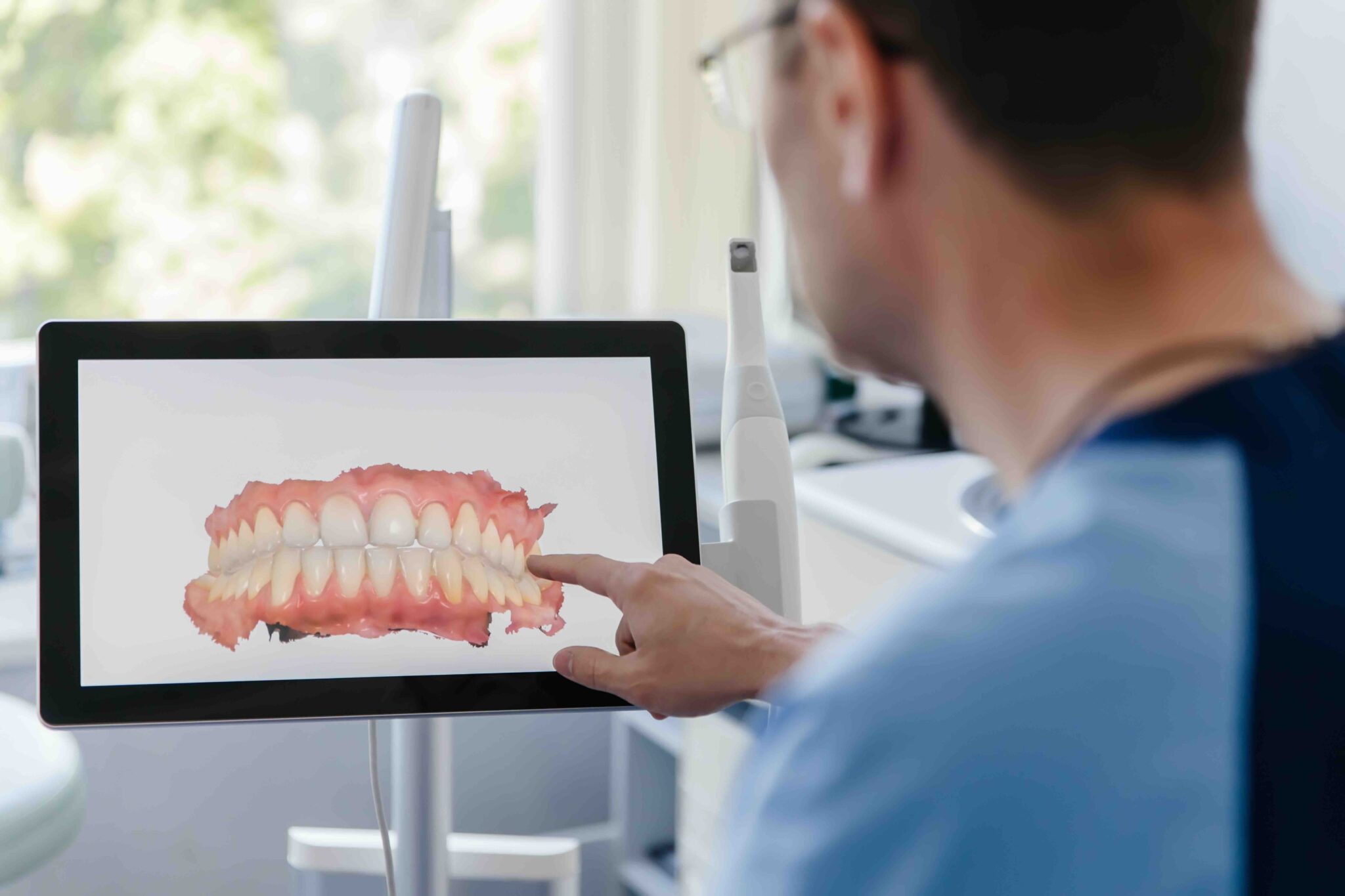
If the tooth can be saved predictably, the preparation appointment comes next. The damaged area is cleaned out, the tooth is reshaped, and any buildup needed to support the crown is placed. In many offices, a digital scan replaces traditional putty impressions. That scan is sent to a lab or used in-house if the office fabricates same-day crowns.
A temporary crown is often placed while the final one is being made, unless the crown is milled and delivered the same day. Temporary crowns are more important than they look. They protect the prepared tooth, keep neighboring teeth from drifting, and give the patient a chance to test the shape and comfort.
At the delivery appointment, the final crown is checked for fit, contact, color, and bite. This step should never feel rushed. A crown can look excellent and still fail if the bite is too high or the margin is not sealed well. Small adjustments at delivery can make the difference between a crown that feels natural and one that becomes a source of constant irritation.
Same-day crowns versus lab-made crowns
Los Angeles patients often ask about same-day treatment because convenience matters. Same-day crowns can be an excellent option in the right hands and for the right case. They eliminate the temporary phase, reduce time away from work, and can be very precise when the digital workflow is strong.
Still, speed is not automatically better. Some cases benefit from a highly skilled lab technician, especially front teeth where shade layering, translucency, and contour are critical. Lab-made crowns can also be useful when the bite is complicated, when the gums need to be managed carefully, or when the tooth requires a more customized design than a single-visit workflow can comfortably provide.
This is one of those areas where patient preference and clinical judgment should meet. If a same-day crown fits the case, it can be efficient and predictable. If a lab-fabricated crown offers a better long-term result, waiting a bit longer is usually worth it.
What crowns cost in Los Angeles, and why prices vary so much
Fees for Dental Crowns Los Angeles CA can vary widely, and patients are often surprised by the range. The location of the practice plays a part, but it is hardly the whole story. Price differences often reflect diagnostic complexity, the material chosen, the quality of the lab, digital technology used, the experience of the dentist, and whether additional treatment is needed before the crown can even be placed.
A straightforward crown on a healthy tooth is one scenario. A crown on a tooth that needs root canal treatment, gum management, buildup, or replacement of deep decay near the bone is another. Those are not the same clinical task, even if the final restoration is still called a crown.
Insurance may help, but coverage varies and often comes with restrictions. Some plans cover a portion of crowns only under certain conditions, and many have frequency limits or downgraded fee schedules. It is worth asking not only what the insurance will pay, but what happens if the crown fails due to grinding, poor home care, or a pre-existing crack that extends below the gumline after treatment begins.
Crowns after root canal treatment
This pairing comes up so often that it deserves separate attention. Root canal treatment removes infected or inflamed pulp tissue from inside the tooth, but it does not make the tooth strong. In fact, once decay has been removed and the internal space has been cleaned, there is often less remaining structure than before.
Back teeth that have had root canals usually need crowns because they bear heavy chewing loads. Without protection, they are much more likely to crack. Front teeth are more case-dependent. If enough natural structure remains and the tooth is not under significant stress, a crown may not always be required. That decision should be based on the actual tooth, not a blanket rule.
One important nuance here is timing. Sometimes the crown follows soon after the root canal. Other times there is a delay, either because the patient is waiting on insurance, finances, or travel plans. That delay can be risky. A tooth that has been opened, restored temporarily, and left under function for too long is more vulnerable to leakage and fracture.
The small details that separate good crowns from problematic ones
Patients tend to focus on whether the crown is white, smooth, and free of pain. Dentists think about those things too, but the hidden details are often what determine success over the next ten years.
A good crown needs a precise margin, meaning the edge where crown meets tooth must fit closely enough to resist leakage and plaque accumulation. It needs proper contact with adjacent teeth so food does not pack into the space. It needs the right contour so the gums can stay healthy. It needs a balanced bite so that one crown is not absorbing more force than it should.
Even the finish matters. A rough or over-contoured crown can irritate the tongue and trap plaque. A crown that is slightly too high can lead to tenderness, jaw soreness, or cracking of the porcelain. These are not dramatic errors when they happen, but they create chronic problems.
This is why a dentist may spend extra time adjusting a crown that already looks acceptable to the patient. The goal is not just to get it seated. The goal is to make it function as if it belongs there.
How long crowns last, realistically
Patients often want a fixed lifespan, but dentistry does not work that way. A crown can last well over a decade, and many do. Some fail much sooner. Longevity depends on the condition of the underlying tooth, the precision of the crown, the patient’s hygiene, diet, and bite forces, and whether they grind or clench.
I have seen crowns still functioning after fifteen or twenty years, especially when they were placed on stable teeth in patients with healthy habits. I have also seen crowns fail in three to five years because decay developed at the margin, the tooth fractured underneath, or the patient had severe untreated bruxism.
A night guard can make a major difference for patients who clench. So can regular cleanings and periodic x-rays. Crowns do not get cavities, but the tooth under and around them certainly can.
Signs a crown may be the right move
Sometimes the need is obvious. Other times the tooth sits in a gray zone and patients appreciate a clearer framework. These are the situations where a crown often deserves serious discussion:
- The tooth has a large filling that takes up most of the biting surface.
- A crack is present, especially if there is pain on release when chewing.
- The tooth has had root canal treatment and is a molar or premolar.
- Repeated fillings on the same tooth keep breaking or leaking.
- Enough structure is missing that a direct filling is unlikely to hold predictably.
None of these points automatically means crown treatment is mandatory. They do, however, point toward a tooth that may need more than another patch.
Cases where a crown may not be the best answer
A thoughtful dental recommendation should include restraint. Crowns remove tooth structure, and while they can be absolutely the right treatment, they should not be the default for every imperfect tooth.
A small cavity on an otherwise healthy tooth usually does not need a crown. Neither does a minor chip on a front tooth if bonding can restore it well. Some back teeth with moderate damage may be better served by an onlay, which preserves more natural structure while still covering weakened cusps. In younger patients especially, a conservative approach can make sense when it is likely to last.
There are also times when the tooth is too damaged for a crown to be a wise investment. If decay or fracture extends too far below the gumline, if the root is compromised, or if bone support is poor, extraction and replacement may be more predictable than trying to force a crown onto a failing foundation.
This is where honest treatment planning matters. A crown is smart when it protects a salvageable tooth. It is not smart when it merely delays an inevitable loss without reasonable odds of long-term success.
Living with a new crown
Most patients adjust quickly, but a few days of awareness is common. The bite may feel different at first simply because the old damaged tooth had become part of a compensating chewing pattern. Cold sensitivity sometimes shows up temporarily, especially if the tooth still has a live nerve and had deep decay or a large old filling beforehand.
What should not happen is persistent sharp pain, inability to chew after several days, or floss that shreds badly between the crown and the neighboring tooth. Those signs deserve a follow-up visit. Many crown issues can be corrected early with a minor adjustment.
Once the crown settles in, maintenance is straightforward but important. Good brushing, daily cleaning between teeth, and regular exams remain essential. A crown is not a free pass. The gum tissue around it still needs care, and the edge of the restoration is only as healthy as the environment around it.
Questions worth asking before you commit
Patients do better when they understand not just the recommendation, but the reasoning behind it. Before moving forward, it helps to ask a few direct questions:
- How much natural tooth structure is left, and why is a filling not enough?
- Is the tooth cracked, root canal-treated, or otherwise at higher risk of fracture?
- What material do you recommend for this location, and why?
- Will this be a same-day crown or a lab-made crown?
- What are the realistic alternatives if I choose not to do it now?
These questions tend to shift the conversation from sales language to clinical judgment. That is exactly where it should be.
Why the right crown can change more than one tooth
A successful crown does more than repair a single weak tooth. It can stabilize an entire area of the mouth. When a patient stops favoring one side, jaw tension can ease. When a cracked molar is protected, chewing becomes normal again. When contacts are restored correctly, food trapping decreases and the gums settle down. When a front tooth is rebuilt properly, speech and confidence often improve alongside function.
Those changes are not dramatic in the way a movie makeover is dramatic. They are quieter than that. They show up in the ability to chew steak without thinking about it, to drink coffee without a jolt, to smile in photos without angling the head to hide a dark broken tooth.
That is why Dental Crowns Los Angeles CA remain such a common and worthwhile treatment when used thoughtfully. They are not cosmetic extras for most people. They are durable, highly practical restorations that can save teeth which would otherwise continue to crack, decay, or fail under pressure.
The key is making sure the crown is being placed for the right reason, on a tooth with a sound future, and with enough care that the result feels natural from day one and stays dependable for years.
Simple Dental Vermont
Address: 8914 S Vermont Ave, Los Angeles, CA 90044
Phone number: +13239493000
FAQ About Dental Crowns Los Angeles CA
How much do crowns cost per tooth?
In the United States, a single dental crown typically costs between $800 and $2,500 per tooth without insurance. The ultimate out-of-pocket price depends heavily on the crown material, the location of the tooth, and whether you have dental insurance coverage.
What is the downside of crowns on teeth?
The primary downside of a dental crown is that the procedure permanently removes natural tooth enamel to shape the tooth for the cap.
Why do dentists push for crowns?
Dentists recommend crowns because a large filling cannot provide enough strength when a tooth loses a major portion of its structure or faces heavy chewing pressure.