Can Dental Crowns Help With Teeth Grinding Damage?

Teeth grinding has a way of hiding in plain sight. Plenty of people do it for years before they realize what is happening. They notice a chipped edge, morning jaw soreness, or a tooth that suddenly becomes sensitive to cold. Sometimes the first clue comes from a partner who hears grinding at night. Other times it shows up during a routine dental exam, when the wear patterns are too clear to ignore.
When that damage adds up, many patients ask whether dental crowns can fix the problem. The short answer is yes, sometimes they can help a great deal. But the fuller answer matters more. Crowns can protect and rebuild teeth that have already been worn down, cracked, or weakened by grinding. They do not stop the grinding itself. If the force causing the damage is still there, even a well-made crown can be stressed, loosened, or broken over time.
That distinction is where good treatment planning begins. Crowns are often part of the answer, but rarely the whole answer.
What teeth grinding actually does to teeth
Bruxism, the clinical term for grinding and clenching, can be surprisingly destructive. A normal chewing cycle puts force on teeth in brief, controlled contacts. Grinding is different. It often involves repeated side-to-side movement, prolonged clenching, or both. That creates a kind of mechanical fatigue. Enamel, which is strong but not indestructible, gradually wears away. Once the enamel thins, the underlying dentin becomes exposed, and dentin is softer and more sensitive.
The earliest signs can look subtle. Flat biting edges, tiny chips, or a glossy worn surface on the back teeth are common. As it progresses, teeth may look shorter or squarer than they once did. Fillings can begin to fail at the edges. Cracks may develop, sometimes so fine that they are hard to see, but large enough to cause pain when biting.
In more advanced cases, grinding changes the entire bite. I have seen patients who assumed they just had "small teeth" or "sensitive teeth," only to learn that years of grinding had significantly reduced the height of their teeth. That can affect appearance, chewing comfort, and jaw function at the same time.
The damage is not always evenly spread. One person may destroy the front teeth first, especially if they clench heavily in a forward position. Another may break molars and old fillings in the back. The pattern matters, because it helps determine whether dental crowns are appropriate, and where.
Where dental crowns fit in
A crown is a full-coverage restoration that caps a damaged tooth and restores its shape, strength, and function. In the setting of grinding damage, crowns are usually considered when a tooth has lost enough structure that a simple filling is no longer reliable.
That can happen for several reasons. The biting surface may be too worn down. A crack may run through part of the tooth. A large existing filling may keep breaking under pressure. The tooth may have become so short that it no longer functions well or holds a filling securely.
Crowns can help by enclosing the remaining tooth structure and redistributing biting forces more effectively than a patchwork filling. They can also restore the lost height of a worn tooth, which can improve chewing and help rebalance the bite. For some patients, especially those with moderate to severe wear, crowns are one of the few practical ways to rebuild teeth that have been shortened over time.
Still, not every worn tooth needs a crown. That is one of the biggest misconceptions in this area. Some grinding damage can be managed with bonding, onlays, night guards, or careful monitoring. The decision depends on how much tooth is left, where the damage is located, how strong the bite forces are, and whether the tooth is already cracked or root canal treated.
When crowns make sense, and when they do not
The best candidates for crowns are usually teeth with substantial structural loss. If a molar has broad wear facets, a deep crack line, and an old filling that has already failed twice, a crown may be the most predictable way to keep the tooth intact. If a front tooth has been chipped and shortened enough to affect appearance and function, a crown can restore both.
On the other hand, crowning every worn tooth too early can be unnecessarily aggressive. Crowns require reshaping the tooth so the restoration can fit properly. That means removing some remaining tooth structure. Done for the right reasons, this trade-off is worthwhile. Done too soon, it may commit a patient to a cycle of larger future dentistry than they really needed.
There are also cases where crowns are a poor fit until other issues are addressed. Someone with active, severe nighttime grinding who is breaking temporary restorations may need bite stabilization first. A patient with uncontrolled acid erosion from reflux or dietary habits may continue losing tooth structure around the edges of new crowns if that cause is not treated. A tooth with a vertical root fracture usually cannot be saved with a crown at all.
This is why a careful exam matters. A dentist is not just looking at one damaged tooth. They are asking a broader set of questions. How intense is the grinding? Is it nighttime, daytime, or both? Are there jaw symptoms? Are the teeth merely worn, or are they actively fracturing? Is the bite stable enough to rebuild? Crowns can be excellent restorations, but only when they are placed into a plan that accounts for the forces they will have to endure.
What crowns can realistically achieve
Patients sometimes expect crowns to function like armor. It is more accurate to think of them as reinforced rebuilding. A crown can restore the external form of the tooth and often makes chewing more comfortable. It can protect a tooth whose structure has been compromised. It can also improve appearance when grinding has made teeth look uneven, flat, or prematurely aged.
For many people, the biggest immediate benefit is functional. Food is easier to chew. Sharp edges no longer irritate the tongue. Temperature sensitivity may improve once exposed dentin is covered. If the worn teeth had reduced the vertical dimension of the bite, carefully planned crowns can help re-establish it. That type of full-mouth rehabilitation is a more complex category of treatment, but in the right hands it can be transformative.
Crowns can also prolong the life of teeth that might otherwise continue to crack apart. A heavily restored molar under grinding stress is often on borrowed time without full coverage. I have seen patients spend years replacing one large filling after another on the same tooth, each repair slightly larger than the one before. At some point, the repeated cycle costs more, fails more often, and removes more tooth than a well-timed crown would have.
What crowns cannot do is eliminate the cause of the problem. They do not retrain muscles, reduce stress, or prevent nighttime clenching on their own. If a patient receives crowns and then skips the protective night guard, the restorations may still take a beating.
The materials matter more than many people realize
Not all crowns behave the same way under grinding pressure. Material choice is not just a cosmetic decision. It Dental Crowns affects strength, wear resistance, and how the crown interacts with opposing teeth.
Porcelain-based crowns can look excellent, particularly in visible areas, but some ceramics are more brittle than others. Monolithic zirconia has become a common choice for grinders because it is strong and can hold Dental Crowns Simple Dental Vermont up well under heavy bite forces. Gold remains one of the most forgiving materials for back teeth, especially in patients with severe bruxism, because it wears in a controlled way and is kind to opposing enamel. Its downside, of course, is appearance, which many patients dislike.
The "best" material depends on location and priorities. A front tooth may call for a more aesthetic ceramic, but even there, the bite pattern matters. If the patient grinds edge to edge, a dentist may recommend a stronger material or a different design than they would for someone without those forces.
A simplified comparison helps:
| Material | Strength under grinding | Appearance | Typical use | |---|---|---|---| | Zirconia | High | Good to very good | Back teeth, some front teeth | | Gold alloy | High | Poor cosmetically | Back teeth, severe grinders | | Porcelain fused to metal | Moderate to high | Good | Mixed function and appearance cases | | All-ceramic porcelain | Moderate to high, varies by type | Excellent | Front teeth, lower force situations |
Material alone does not determine success. Bite design, tooth preparation, cementation, and whether the patient actually wears a night guard all matter just as much.
Crowns work best when paired with protection
A crown placed in a heavy grinder without follow-up protection is a bit like replacing one tire on a car with bad alignment. The new part may be better than what was there before, but the underlying force keeps working against it.
The most common protective step is a custom night guard. This appliance does not necessarily stop all grinding, but it can reduce damage by creating a controlled contact surface and distributing forces more evenly. It also helps protect natural teeth, crowns, veneers, implants, and jaw joints at the same time.
For patients who clench during the day, awareness matters too. Daytime clenching is often a habit rather than a sleep-related movement disorder. People do it while driving, lifting weights, answering email, or focusing on a screen. Teeth are not meant to touch continuously. A relaxed jaw posture usually means the lips are together and the teeth are apart.
The basics of protecting crown work after treatment are straightforward:
- Wear a custom night guard if your dentist recommends one.
- Return for bite checks if a crown feels high or your jaw feels off.
- Address habits such as daytime clenching, nail biting, or chewing ice.
- Follow up on jaw pain, headaches, or repeated chipping rather than waiting.
- Keep up with cleanings and exams so small problems are found early.
That kind of maintenance is not optional in heavy grinders. It is part of the treatment.
How dentists decide between crowns and other options
When patients hear that grinding has worn their teeth, they often assume the next step is crowns everywhere. Sometimes that happens in severe, full-mouth wear cases, but more often the decision is selective.
Mild wear may need no restoration at all, only monitoring and a guard. Moderate wear on visible front teeth can sometimes be managed with bonding, especially in younger patients where preserving tooth structure is a priority. Onlays may be a good middle ground for some back teeth, covering the biting surface without taking the tooth all the way down for a full crown. If the tooth has a crack that extends too far, extraction and replacement may be the only durable option.
A dentist balances several competing goals at once. Preserve tooth structure. Restore function. Reduce failure risk. Keep future options open. Respect appearance and cost concerns. This is why two patients with "grinding damage" may receive very different recommendations.
It is also why second opinions can be useful in larger treatment plans. If someone is being told they need ten or twelve crowns due to wear, it is reasonable to ask how active the grinding is, whether less invasive options exist for any of those teeth, and how the bite will be managed afterward.
What the treatment process usually looks like
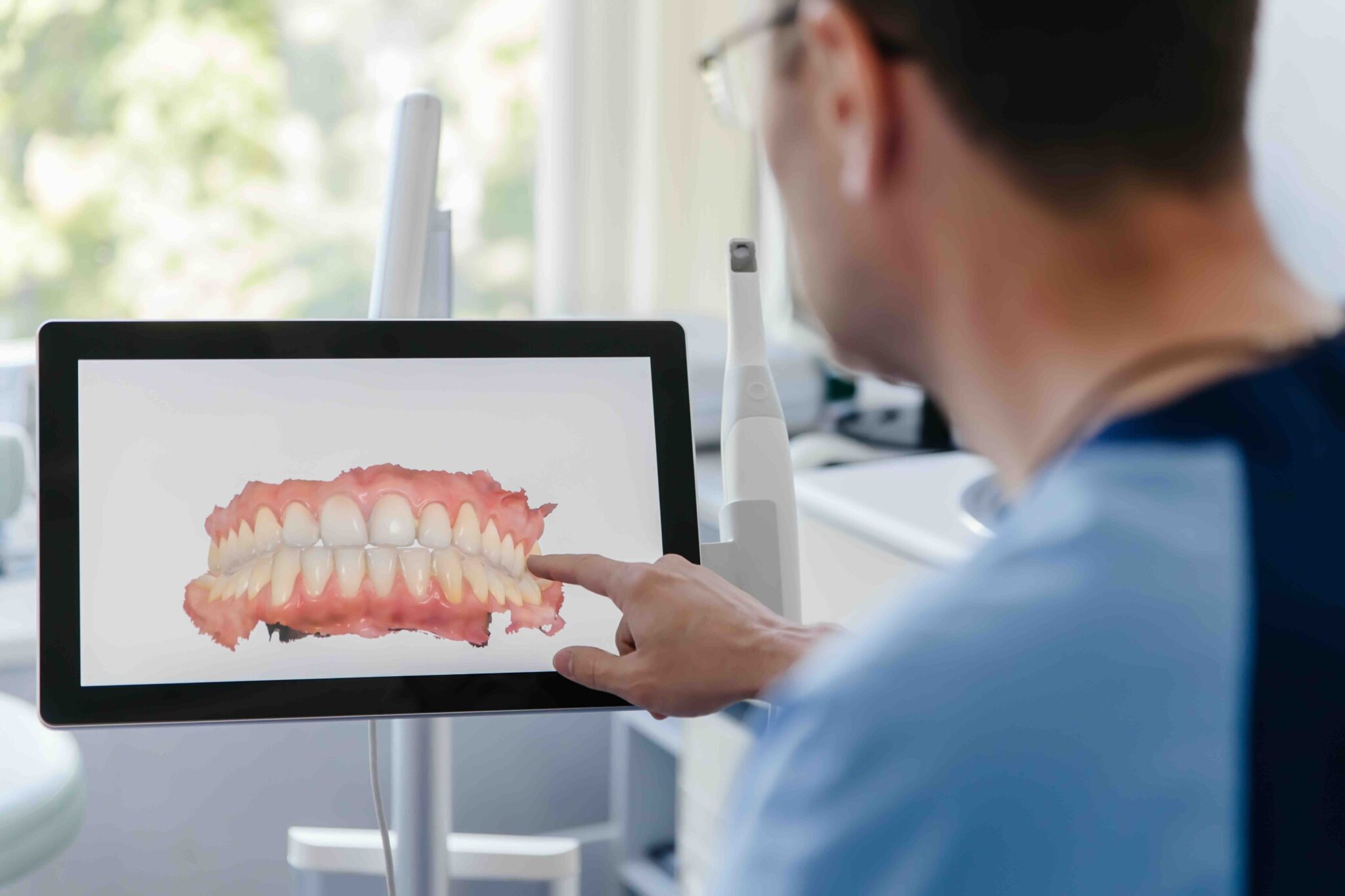
For a single tooth, the crown process is usually familiar. The tooth is shaped, a scan or impression is taken, and a temporary crown is placed until the final one is ready. Then the permanent crown is fitted, adjusted, and cemented.
Grinding cases often require more than that simple sequence. The dentist may spend extra time evaluating the bite, taking photos, checking jaw movement, or making study models. If multiple teeth are worn, temporary restorations may be used to test a new biting scheme before the final crowns are made. This is especially important when lost tooth height needs to be restored. The mouth must be rebuilt in a way that the muscles and joints can tolerate.
This planning stage can feel slow to patients who simply want broken teeth fixed. But rushing a grinding case is usually what causes trouble later. A crown that looks beautiful on the model can fail quickly if it lands in the path of a heavy grinding movement every night.
The limits and risks patients should understand
Crowns are durable, not permanent. Even excellent crown work has limits under intense force. Ceramic can chip. Cement can wash out. Teeth under crowns can still decay at the margins if hygiene is poor. A root can crack below an apparently intact crown. For grinders, these risks are not theoretical.
There is also the issue of opposing wear. A very hard crown surface may contribute to wear on the tooth it bites against, particularly if the bite is not polished and balanced properly. That does not mean hard materials are bad. It means they need thoughtful adjustment.
Cost is another real factor. Crowns are significantly more expensive than fillings or bonding, and complex wear cases can become a major financial project. Sometimes staging treatment makes sense, starting with the teeth at highest risk of fracture and stabilizing the situation before doing aesthetic refinements later.
Patients should also know that some symptoms blamed on grinding are not solved by crowns alone. If morning headaches are coming from muscle tension, a crown will not fix that by itself. If jaw joint pain is present, additional management may be needed. Good care is not just about rebuilding enamel loss. It is about managing the entire bite system.
Signs that a crown may be needed after grinding damage
There is no single rule, but several patterns tend to push treatment toward crowns rather than smaller repairs. Repeated fracture of the same filling is one. Another is a tooth that hurts when biting, especially if a crack is suspected. Teeth that have become significantly shortened can need crowns simply to recover proper function and contact with the opposing arch. Root canal treated teeth that also show grinding wear are often especially vulnerable because they are already structurally weaker.
Patients tend to delay when the wear has been gradual. A chipped corner feels minor. A little sensitivity seems manageable. Then one day a cusp snaps off while chewing something soft, because the tooth had been weakened for years beforehand. That is the frustrating part of grinding damage. The final break often looks sudden, but the process behind it was slow.
What patients can do before damage gets severe
The smartest crown is the one you never need. That does not mean all grinding damage is preventable, but early action can shrink the treatment from major reconstruction to simple protection.
If you wake with jaw fatigue, see flattened tooth edges, or keep chipping dental work, it is worth having that checked. A custom guard made before severe wear develops is far less invasive than rebuilding several teeth later. Stress reduction can help some people, though it is not a complete answer for everyone. Sleep quality matters too. Poor sleep, certain medications, airway issues, and caffeine habits can all play a role in bruxism patterns.
Dentists also look for clues patients miss. Scalloped tongue edges, cheek biting lines, fractured enamel, and wear facets often appear long before a patient feels pain. Catching the pattern early is one of the few real advantages in this problem.
So, can dental crowns help?
Yes, dental crowns can help with teeth grinding damage, often very effectively. They can restore broken-down teeth, protect weakened structure, improve chewing, and rebuild a worn smile. For some teeth, especially those with major cracks or heavy loss of tooth structure, crowns are the most reliable option available.
But they are not a standalone cure. Their success depends on whether the grinding is recognized, managed, and monitored. The strongest crown still has to live in the same mouth, under the same muscles, with the same habits that damaged the natural tooth in the first place. When crowns are chosen carefully, designed for the bite, and protected afterward, they can hold up well for many years. When they are used as a quick cosmetic patch over active bruxism, they are much more likely to fail.
The practical question is not simply whether crowns help. It is whether they are the right tool for your specific pattern of damage, and whether the plan includes the protection needed to make them last. That is where a careful examination and a realistic conversation make all the difference.
Simple Dental Vermont
Address: 8914 S Vermont Ave, Los Angeles, CA 90044
Phone number: +13239493000
FAQ About Dental Crowns
How much do crowns cost per tooth?
In the United States, a single dental crown typically costs between $800 and $2,500 per tooth without insurance. The ultimate out-of-pocket price depends heavily on the crown material, the location of the tooth, and whether you have dental insurance coverage.
What is the downside of crowns on teeth?
The primary downside of a dental crown is that the procedure permanently removes natural tooth enamel to shape the tooth for the cap.
Why do dentists push for crowns?
Dentists recommend crowns because a large filling cannot provide enough strength when a tooth loses a major portion of its structure or faces heavy chewing pressure.